
When winter temperatures drop in Concord and San Ramon, homeowners rely on their heat pump system to keep indoor spaces warm and comfortable. If your heat pump is not heating properly—or worse, your heat pump is not working at all—cold mornings can quickly become frustrating. While modern heat pumps are designed to handle a wide range of temperatures, cold weather can expose underlying issues that reduce performance or cause system failures.
This page explains why a heat pump may not heat in cold weather, how well heat pumps perform during winter conditions, and when it’s time to call for residential heat pump service. Understanding how your system works—and what can go wrong—helps you make informed decisions and avoid unnecessary discomfort or high energy bills.
Homeowners seeking dependable Residential Heat Pump Services In Concord And San Ramon can explore service options tailored to winter performance and long-term system reliability.
Understanding How Heat Pumps Work in Winter
A heat pump system doesn’t generate heat the same way a furnace does. Instead, it transfers heat from the outdoor air into your home using electricity. Even when temperatures feel cold, there is still heat energy in the air that a properly functioning electric heat pump heating system can capture and distribute indoors.
In moderate climates like Contra Costa County, heat pumps are widely used because they provide both heating and cooling in one energy-efficient solution. However, cold snaps—especially overnight lows—can push systems to work harder, making maintenance and proper setup critical.
If your heat pump is not turning on, struggling to keep up, or blowing cool air during winter, there may be an underlying issue that needs professional attention.
 At What Temperature Do Heat Pumps Stop Working in Winter?
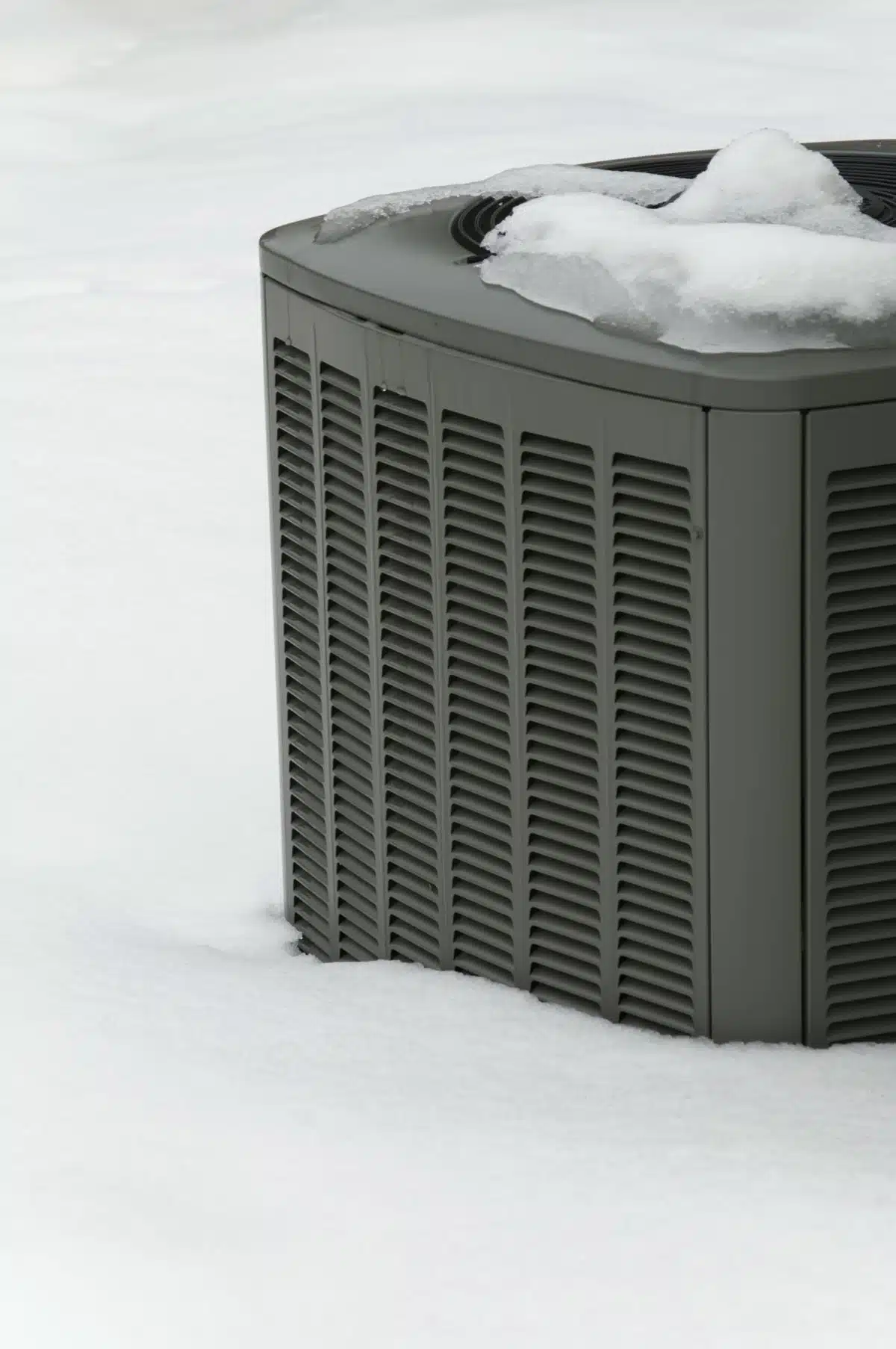 At What Temperature Do Heat Pumps Stop Working in Winter?
A common concern for homeowners is whether a heat pump will simply stop working once winter temperatures drop. The short answer is that heat pumps do not suddenly shut off at a specific temperature, but their efficiency and heating capacity can change as outdoor conditions get colder. Understanding how temperature affects your heat pump system helps explain why performance may drop—and when professional heat pump troubleshooting is needed.
Most standard residential heat pumps are designed to operate efficiently in temperatures down to about 30–35 degrees Fahrenheit. Within this range, the system can still extract enough heat from the outdoor air to keep your home comfortable. As temperatures dip below that point, the heat pump can continue to run, but it must work harder to move heat indoors. This increased workload can lead to longer run times, slightly cooler air from vents, and higher energy usage.
It’s important to note that this does not mean the heat pump stops working altogether. Even when outdoor temperatures fall into the 20s, there is still heat energy in the air. A properly functioning cold weather heat pump can continue heating your home, just with reduced efficiency. In regions like Concord and San Ramon, where winters are generally mild but can still feel cold overnight, heat pumps are well-suited when they are properly installed and maintained.
Newer systems are especially capable in winter conditions. Advances in compressor technology and system design allow modern heat pumps to operate effectively at much lower temperatures than older models. Some high-efficiency or cold-climate units can continue providing heat even when outdoor temperatures approach 0 degrees Fahrenheit. While efficiency still decreases as it gets colder, these systems are built to maintain indoor comfort far better than older equipment.
Another factor that affects winter performance is whether your heat pump system includes auxiliary or backup heating. Many electric heat pump heating systems are designed with supplemental heating elements that activate when outdoor temperatures drop too low for the heat pump alone to meet demand. When this backup heat engages, you may not notice a significant drop in comfort—but you may see higher energy usage during especially cold periods.
If your heat pump is not heating adequately during winter, the issue is not always the outdoor temperature itself. In many cases, reduced performance points to maintenance or mechanical concerns rather than normal cold-weather limitations. Dirty air filters, blocked airflow, refrigerant issues, or a malfunctioning defrost cycle can all make it seem like the heat pump is not working when, in reality, it simply needs service. This is where professional residential heat pump service becomes essential.
It’s also worth considering the age and sizing of your system. Older heat pumps were not engineered with today’s cold-weather efficiency standards in mind. If your system is more than a decade old or was improperly sized for your home, it may struggle during winter nights even when temperatures are only moderately cold. A certified heat pump installer can evaluate whether your system is operating as intended or if upgrades would improve winter comfort.
Ultimately, heat pumps don’t stop working at a single “cutoff” temperature. Instead, performance gradually changes as outdoor conditions become colder. When maintained properly and supported by the right system design, heat pumps remain a reliable heating solution throughout winter. If you’re experiencing frequent issues or uneven heating as temperatures drop, professional heat pump troubleshooting can identify the cause and help ensure your system continues to perform when you need it most.
 Do Heat Pumps Work in Extremely Cold Weather?
 Do Heat Pumps Work in Extremely Cold Weather?
Homeowners often wonder whether heat pumps can handle extremely cold weather or if they become unreliable once temperatures drop too low. The good news is that heat pumps do work in cold weather, including very cold conditions—but how well they perform depends on the type of system, how it was installed, and how well it’s maintained. Understanding these factors helps explain why some homes stay comfortable all winter while others experience a heat pump not working or not heating effectively.
At a basic level, heat pumps are designed to move heat rather than create it. Even when outdoor temperatures feel frigid, there is still heat energy present in the air. A cold weather heat pump is engineered to extract that energy and transfer it indoors. As temperatures fall, however, there is less available heat to pull from the air, which means the system must work harder to keep your home warm. This is why homeowners may notice longer run times or slightly cooler air coming from vents during colder periods.
Modern heat pump technology has significantly improved cold-weather performance. Many newer systems are equipped with advanced compressors and variable-speed motors that allow them to continue operating efficiently at much lower temperatures than older models. In some cases, high-efficiency systems can still provide reliable heating when outdoor temperatures approach or even drop below 0°F. While efficiency does decline in extreme cold, these systems are designed to maintain indoor comfort far better than earlier generations of heat pumps.
In areas like Concord and San Ramon, winters are generally mild compared to colder regions of the country, but overnight lows and cold snaps can still put added strain on a heat pump system. When a heat pump struggles in these conditions, it’s often not because the technology is incapable, but because the system may not be optimized for the home or climate. Proper sizing, correct installation, and routine residential heat pump service all play a critical role in winter performance.
Another key factor is the presence of auxiliary or backup heating. Many electric heat pump heating systems include supplemental heating elements that activate when outdoor temperatures fall below a certain point. This backup heat helps maintain indoor comfort when the heat pump alone cannot meet demand. If these components are not functioning correctly, homeowners may feel like their heat pump is not heating during extremely cold weather, even though the primary system is still running.
Maintenance is also essential for cold-weather reliability. Dirty filters, restricted airflow, low refrigerant levels, or problems with the defrost cycle can all reduce heating capacity during winter. When ice builds up on the outdoor unit and the defrost system isn’t working properly, the heat pump may blow cool air or shut down intermittently. Professional heat pump troubleshooting can identify these issues early and restore proper operation before they lead to bigger problems.
System age and installation quality matter as well. Older heat pumps were not designed with today’s cold-weather efficiency standards in mind, and some may struggle even in moderately cold temperatures. If your system is more than 10–15 years old, frequent winter issues could be a sign that replacement is worth considering. Working with a certified heat pump installer ensures that any new system is properly sized and configured for energy efficient heat pump installation and reliable winter performance.
In summary, heat pumps absolutely can work in extremely cold weather, especially when modern equipment, proper installation, and routine service are in place. If your heat pump is not working or seems unreliable during colder days, it’s often a solvable issue rather than a limitation of the technology itself. With professional support and the right system design, heat pumps remain a dependable and energy-efficient heating solution throughout the winter season.
 Why Is My Heat Pump Not Working in Cold Weather?
 Why Is My Heat Pump Not Working in Cold Weather?
If your heat pump is not heating as expected, there are several common causes—many of which are fixable with professional service.
Dirty or Restricted Airflow
Clogged air filters or blocked vents reduce airflow, making it difficult for the system to distribute warm air. This can cause:
- Weak heating output
- Longer run times
- Uneven room temperatures
Regular filter changes are one of the simplest ways to prevent cold-weather heating issues.
Outdoor Unit Frost or Ice Buildup
During winter, frost on the outdoor unit is normal. However, excessive ice buildup may signal a defrost problem. If the defrost cycle isn’t working correctly, the system may:
- Blow cold air indoors
- Shut down unexpectedly
- Appear as though the heat pump is not turning on
Professional heat pump troubleshooting can identify and correct defrost system issues before they lead to breakdowns.
Refrigerant Issues
Low refrigerant levels reduce the system’s ability to transfer heat. This often results in:
- Reduced heating capacity
- Longer cycles
- Poor overall efficiency
Refrigerant problems require trained technicians and should never be handled without proper certification.
Thermostat or Control Problems
Sometimes the issue isn’t the heat pump itself, but the controls. Faulty thermostats, wiring issues, or incorrect settings can make it seem like the heat pump is not working, even when the system is otherwise functional.
Signs You Need Professional Heat Pump Troubleshooting
Homeowners should seek professional service if they notice:
- The heat pump runs constantly but never warms the home
- Cold or lukewarm air blows from vents
- The system cycles on and off frequently
- Energy bills increase without explanation
- The heat pump won’t turn on during cold mornings
Early heat pump troubleshooting prevents small issues from turning into costly repairs and helps restore reliable comfort.
The Importance of Residential Heat Pump Service in Winter
Routine maintenance plays a critical role in cold-weather performance. Scheduled residential heat pump service includes:
- Inspecting electrical components
- Testing defrost and auxiliary heat systems
- Checking refrigerant levels
- Cleaning coils and connections
Well-maintained systems last longer, perform more efficiently, and are far less likely to fail during winter cold snaps.
Homeowners in Concord and San Ramon benefit from proactive service before and during the heating season to ensure dependable operation.
Energy Efficient Heat Pump Installation for Cold Weather Comfort
If your current system struggles every winter, it may be time to consider an upgrade. Energy efficient heat pump installation offers:
- Improved cold-weather performance
- Lower monthly energy costs
- Quieter operation
- Better indoor temperature consistency
Newer systems are specifically engineered to handle colder conditions while maintaining efficiency—making them ideal for Bay Area homes seeking long-term comfort and savings.
A certified heat pump installer can evaluate your home and recommend solutions tailored to your heating needs and local climate.
Electric Heat Pump Heating Systems and Winter Reliability
An electric heat pump heating system provides a cleaner, more efficient alternative to traditional heating methods. When properly maintained and installed, these systems:
- Perform reliably in winter
- Reduce dependence on fossil fuels
- Offer consistent comfort year-round
For homeowners experiencing frequent cold-weather issues, professional assessment ensures your system is optimized for winter conditions in Concord and San Ramon.
Why Local Experience Matters
Climate conditions, home construction styles, and utility requirements vary by region. Choosing a provider familiar with Residential Heat Pump Services In Concord And San Ramon ensures:
- Proper system sizing
- Climate-appropriate equipment recommendations
- Faster diagnosis of common local issues
Local expertise makes a measurable difference in system reliability and long-term performance.
When Repair Is Enough—and When Replacement Makes Sense
Not every cold-weather issue requires system replacement. In many cases, professional heat pump troubleshooting and repairs restore normal operation. However, replacement may be the better option if:
- The system is over 12–15 years old
- Repairs are frequent and costly
- Heating performance is consistently poor
- Energy bills remain high despite maintenance
A trusted technician can help you compare repair costs versus the long-term benefits of upgrading to a more efficient system.
Schedule Reliable Heat Pump Service Today
If your heat pump is not heating, struggling in cold weather, or refusing to turn on, professional help is the fastest way to restore comfort. Refreshed Heating & Cooling provides expert residential heat pump service tailored to homes in Concord and San Ramon.
📞 Call 925-755-4440 today to schedule service
or contact Refreshed Heating & Cooling through the website to request an appointment.
Don’t let winter temperatures leave your home uncomfortable—get trusted heat pump solutions designed for cold-weather performance and long-term reliability.
