
Choosing the right heating system for your home is one of the most important comfort and efficiency decisions you can make. For homeowners in Concord and San Ramon, heat pumps continue to be a popular choice thanks to their ability to provide reliable heating and cooling in one system. However, the performance of a heat pump depends heavily on proper installation, system design, and ongoing care. That’s why working with a certified heat pump installer is essential for long-term comfort and dependable operation.
Whether you’re planning a new energy efficient heat pump installation, replacing an aging unit, or experiencing issues like a heat pump not heating or heat pump not working, understanding how heat pumps function—and how to care for them—can help you avoid costly problems. This page explains what homeowners can safely handle on their own, how professionals approach heat pump troubleshooting, and the warning signs that indicate it may be time for repair or replacement.
Why Certified Heat Pump Installation Matters
A heat pump system is more complex than many homeowners realize. It must be properly sized, installed, and configured to match your home’s layout, insulation, and local climate conditions. Even the most advanced equipment can underperform if installation shortcuts are taken.
A certified heat pump installer ensures:
- Proper system sizing for your home
- Correct refrigerant levels and airflow
- Safe electrical connections
- Optimized performance in both warm and cold weather
For homes in Concord and San Ramon, correct installation is especially important during seasonal temperature swings. A poorly installed system may struggle in winter, leading to complaints such as a heat pump not heating, frequent cycling, or higher energy bills.
 Can You Clean Your Heat Pump Yourself?
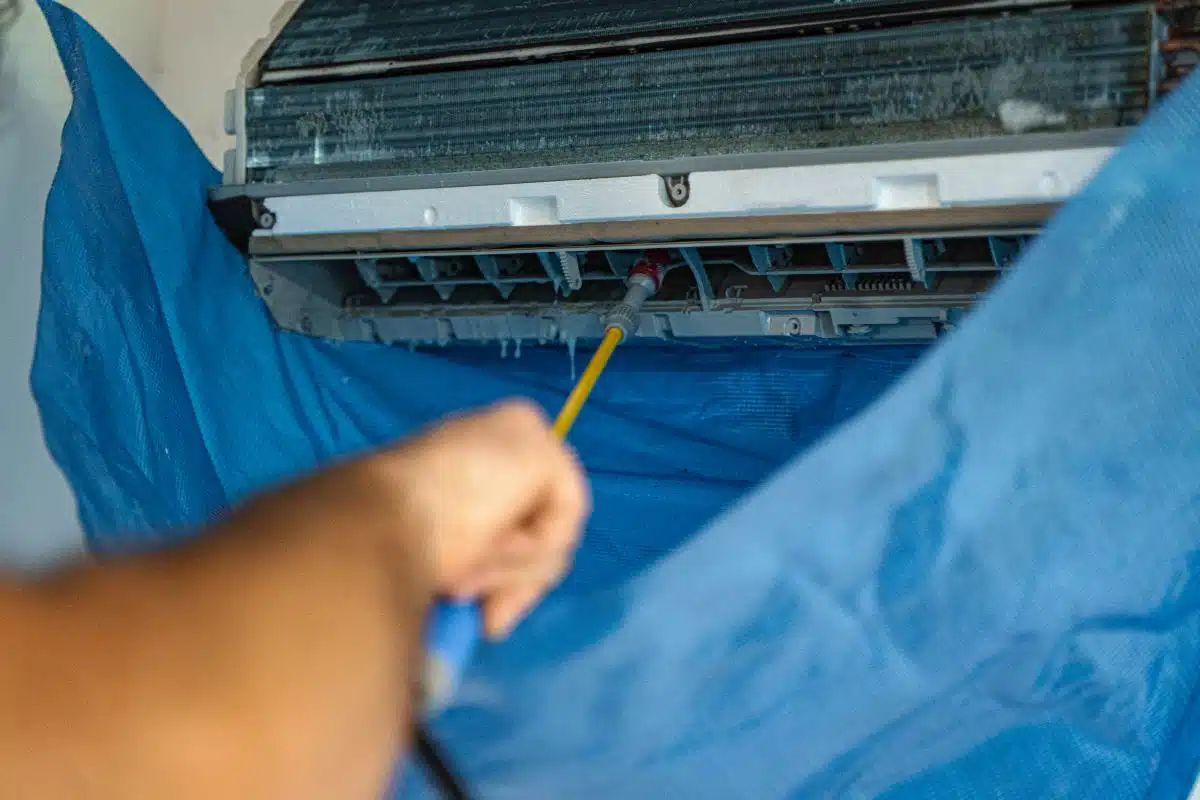 Can You Clean Your Heat Pump Yourself?
Many homeowners ask whether they can clean their heat pump on their own or if professional service is always required. The answer is that some basic cleaning tasks can safely be handled by homeowners, while other maintenance steps should always be left to trained professionals. Knowing the difference helps protect your heat pump system, maintain efficiency, and avoid problems that could lead to a heat pump not working when you need it most.
What Homeowners Can Clean Safely
There are a few routine maintenance tasks that homeowners can do to support proper system performance. One of the most important is changing or cleaning the air filter. Dirty filters restrict airflow, forcing the system to work harder and increasing the likelihood of a heat pump not heating properly. Most filters should be checked monthly and replaced or cleaned every one to three months, depending on usage and indoor air quality conditions.
Another simple step is keeping supply and return vents clear inside the home. Furniture, rugs, or curtains blocking vents can reduce airflow and strain the system. Ensuring vents remain open and unobstructed allows warm air to circulate evenly throughout the home.
Outside, homeowners can safely clear debris from around the outdoor unit. Leaves, dirt, grass clippings, and other debris can block airflow and reduce efficiency. Keeping at least two feet of clear space around the unit helps the system operate properly, especially during colder months when airflow is critical for a cold weather heat pump.
Light surface cleaning of the outdoor unit can also help. Gently rinsing the exterior coils with a garden hose—without high pressure—can remove surface dirt buildup. It’s important to avoid pressure washers, harsh chemicals, or scrubbing tools, as these can bend delicate fins and damage the unit.
What Homeowners Should Avoid Cleaning
While basic upkeep is helpful, there are several areas homeowners should not attempt to clean or service on their own. Opening panels, accessing internal electrical components, or attempting to adjust refrigerant levels can be dangerous and may void equipment warranties. Refrigerant handling, in particular, requires specialized tools and certification.
Homeowners should also avoid trying to fix issues related to system performance. If the heat pump is not working, short cycling, or producing insufficient heat, cleaning alone is unlikely to resolve the issue. These symptoms often point to deeper mechanical or electrical problems that require professional heat pump troubleshooting.
Why Professional Cleaning and Maintenance Matters
Professional residential heat pump service goes far beyond basic cleaning. During a maintenance visit, technicians inspect and clean internal components, test electrical connections, check refrigerant levels, and verify that the system is operating as designed. This level of care helps prevent issues such as a heat pump not turning on or losing efficiency during cold weather.
Professional service is especially important before and during the heating season. As temperatures drop, a heat pump system must work harder to extract heat from outdoor air. Any existing issues—such as restricted airflow, dirty coils, or failing components—can become more noticeable in winter. Regular professional maintenance helps ensure reliable performance when the system is under the greatest demand.
How Cleaning Supports Long-Term Performance
Consistent cleaning and maintenance play a major role in extending system lifespan. A well-maintained electric heat pump heating system experiences less wear and tear, operates more efficiently, and is less likely to require emergency repairs. Homeowners who stay proactive with basic upkeep and schedule professional service often avoid costly breakdowns and enjoy more consistent comfort year-round.
Cleaning also supports energy efficiency. When airflow is unrestricted and components are clean, the system doesn’t have to work as hard to maintain indoor temperatures. This helps reduce energy usage and keeps monthly utility costs more predictable.
When to Call for Professional Help
If you notice signs such as weak airflow, unusual noises, ice buildup, or inconsistent heating, it’s time to call for professional residential heat pump service. These issues often indicate problems beyond surface-level dirt and debris. Attempting to fix them without proper training can make the situation worse.
In summary, homeowners can safely handle basic cleaning tasks like changing filters and clearing debris, but deeper cleaning and repairs should always be performed by a certified heat pump installer or trained technician. Combining simple homeowner maintenance with professional service helps keep your heat pump system running efficiently, reliably, and ready to handle cold weather conditions without unexpected failures.
 How To Diagnose Heat Pump Problems?
 How To Diagnose Heat Pump Problems?
When a heat pump starts acting up, homeowners often want quick answers—especially if comfort is affected during colder or hotter weather. While some issues are obvious, diagnosing heat pump problems accurately usually requires a combination of observation, basic checks, and professional expertise. Understanding how problems are identified can help you recognize when something is wrong and when it’s time to schedule professional heat pump troubleshooting.
Start With the Most Noticeable Symptoms
The first step in diagnosing heat pump problems is paying attention to how the system behaves. Common warning signs include a heat pump not heating, inconsistent indoor temperatures, or a system that seems to run constantly without delivering comfort. In some cases, homeowners may notice the opposite problem—a heat pump not working at all or a heat pump not turning on when the thermostat calls for heating.
Other symptoms can include unusual noises, weak airflow from vents, or a sudden increase in energy bills. These clues don’t point to one single problem, but they help narrow down where the issue may be coming from.
Check the Thermostat and Power Supply
One of the simplest steps in diagnosing issues is verifying thermostat settings. Incorrect modes, dead batteries, or faulty wiring can make it appear as though the heat pump system has failed when the issue is actually with the controls. Confirm that the thermostat is set to “heat,” the temperature is set above the current indoor reading, and the system responds when adjustments are made.
It’s also important to check circuit breakers and disconnect switches. A tripped breaker or shutoff switch can cause a heat pump not working scenario that’s easily resolved once identified.
Evaluate Airflow and Filters
Restricted airflow is a common cause of reduced performance. Dirty air filters, blocked vents, or closed registers can prevent warm air from circulating properly. When airflow is limited, the system has to work harder, increasing wear and making it seem like the heat pump is not heating effectively.
Replacing or cleaning filters is one of the easiest diagnostic steps homeowners can take. If airflow improves after a filter change, the issue may have been airflow-related rather than a mechanical failure.
Observe the Outdoor Unit
The outdoor portion of the heat pump system plays a critical role in heating performance. When diagnosing problems, technicians examine whether the unit is running, making unusual noises, or showing signs of ice buildup. Light frost can be normal during winter, but excessive ice may indicate defrost cycle issues.
If the outdoor unit is completely inactive, the problem could involve electrical components, controls, or safety switches. These issues typically require professional tools and training to diagnose safely.
Professional Heat Pump Troubleshooting
While basic checks are helpful, accurate diagnosis often requires professional residential heat pump service. Trained technicians follow a structured troubleshooting process that includes testing electrical connections, measuring refrigerant levels, and evaluating system pressures. Specialized diagnostic tools allow them to pinpoint problems that are not visible to the homeowner.
For example, low refrigerant levels can significantly reduce heating output, but the symptoms may look similar to airflow or thermostat issues. Electrical problems may also cause intermittent failures that are difficult to identify without proper testing equipment.
Cold Weather and Performance Concerns
Cold temperatures can complicate diagnosis. During winter, a cold weather heat pump may run longer cycles or rely on backup heating. If auxiliary heating isn’t working correctly, homeowners may believe the heat pump system has failed. Professional technicians check both primary and backup heating components to ensure the system is operating as designed.
In some cases, what appears to be a major problem is actually normal operation under colder conditions. A professional evaluation helps distinguish between normal behavior and true system faults.
Why DIY Diagnosis Has Limits
While homeowners can identify basic symptoms, attempting deeper diagnosis without training can be risky. Opening panels, handling electrical components, or guessing at repairs may cause further damage or safety hazards. Misdiagnosis can also lead to unnecessary repairs or delays in restoring comfort.
A certified heat pump installer or service technician brings experience, technical knowledge, and diagnostic tools that ensure problems are identified correctly the first time.
When to Schedule Professional Service
If basic checks don’t resolve the issue, or if you notice recurring problems such as uneven heating, unusual noises, or a heat pump not turning on, it’s time to schedule professional service. Early diagnosis prevents small issues from escalating into costly repairs or system failure.
In summary, diagnosing heat pump problems starts with observing symptoms and performing simple checks, but accurate and safe diagnosis often requires professional heat pump troubleshooting. Combining homeowner awareness with expert service helps ensure your heat pump system remains reliable, efficient, and ready to perform when you need it most.
Cold Weather Performance and Installation Quality
A cold weather heat pump must be installed correctly to handle winter conditions. While heat pumps are designed to extract heat from outdoor air, efficiency drops as temperatures fall. Installation quality plays a major role in how well the system performs during colder months.
Incorrect sizing or airflow setup can cause:
- Excessive run times
- Uneven indoor temperatures
- Increased reliance on backup heating
- Higher energy costs
A properly installed electric heat pump heating system balances comfort and efficiency, even during cold mornings. This is why certified installation is just as important as the equipment itself.
What Are The Signs Of A Failing Heat Pump?
 What Are The Signs Of A Failing Heat Pump?
Over time, even well-maintained systems experience wear. Recognizing early warning signs allows homeowners to schedule service before a complete breakdown occurs.
Reduced Heating Performance
If your home never seems to reach the set temperature, or if warm air feels weaker than usual, the system may be losing efficiency. This is one of the earliest signs of trouble and often leads homeowners to believe their heat pump is not working properly.
Frequent Cycling or Constant Operation
A heat pump that turns on and off repeatedly—or never shuts off—may be struggling to meet demand. This can point to electrical issues, refrigerant imbalances, or improper system sizing.
Rising Energy Bills
An unexplained increase in utility costs often indicates reduced efficiency. When a heat pump system has to work harder to deliver the same comfort, energy usage rises.
Unusual Noises or Odors
Grinding, buzzing, or rattling sounds are not normal. These noises can signal loose components, electrical problems, or motor wear. Strange odors may also indicate electrical or mechanical issues that require immediate attention.
The Heat Pump Won’t Turn On
If the heat pump is not turning on at all, the issue may involve controls, wiring, or safety switches. Professional diagnosis is critical in these situations to prevent further damage.
When Repair Is Enough—and When Replacement Makes Sense
Not every issue requires replacing the entire system. In many cases, professional residential heat pump service restores proper operation and extends system life.
However, replacement may be the better option when:
- The system is more than 10–15 years old
- Repairs are becoming frequent or costly
- Heating performance remains inconsistent
- Efficiency is significantly lower than modern standards
Upgrading to a newer system through energy efficient heat pump installation can improve comfort, reduce energy usage, and provide greater reliability—especially during cold weather.
The Value of Residential Heat Pump Services In Concord And San Ramon
Local experience matters when it comes to system performance. Homes in this area vary in size, insulation, and layout, all of which influence how a heat pump should be designed and installed.
Homeowners looking for dependable Residential Heat Pump Services In Concord And San Ramon can explore professional service options designed for local homes and seasonal conditions.
Working with professionals familiar with local climate demands helps ensure long-term system reliability and comfort.
Certified Installation for Long-Term Comfort
A certified heat pump installer focuses on more than just getting the system running. Proper installation considers:
- Home size and layout
- Insulation and airflow needs
- Seasonal temperature changes
- Energy efficiency goals
This attention to detail helps prevent common issues like uneven heating, unnecessary wear, or a heat pump not heating when temperatures drop.
Schedule Professional Heat Pump Installation or Service
Whether you’re installing a new system, replacing an aging unit, or dealing with a heat pump not working, professional support makes all the difference. Certified installation and expert troubleshooting help ensure your system performs efficiently, reliably, and safely year after year.
📞 Call 925-755-4440 today to schedule service
or contact Refreshed Heating & Cooling through the website to learn more about certified heat pump installation and residential heat pump service in Concord and San Ramon.
Reliable comfort starts with the right installation—and the right expertise.
