
Heat pumps are one of the most efficient and versatile comfort solutions for homes in Concord and San Ramon. Designed to provide both heating and cooling, a modern heat pump system offers year-round comfort while reducing energy consumption. However, like any mechanical system, heat pumps can experience performance issues over time. When your heat pump is not heating, not turning on, or struggling during colder weather, fast and accurate troubleshooting is essential.
Refreshed Heating & Cooling provides professional heat pump troubleshooting services in Concord and San Ramon, CA, helping homeowners quickly identify problems, restore comfort, and avoid costly breakdowns. Whether your electric heat pump heating system is short-cycling, blowing cold air, or not responding at all, our team delivers dependable residential heat pump service backed by experience and local expertise.
This page explains who to call for heat pump issues, what heat pump service typically costs, and which components most often fail—so you can make informed decisions about your home comfort system.
Trusted Residential Heat Pump Services In Concord And San Ramon
Homeowners rely on heat pumps because they are efficient, environmentally friendly, and well-suited to the Bay Area’s climate. But when a heat pump is not working properly, comfort issues can escalate quickly—especially during winter mornings or unexpected cold snaps.
Refreshed Heating & Cooling offers comprehensive troubleshooting and repair as part of our
Residential Heat Pump Services In Concord And San Ramon
Our approach focuses on diagnosing the root cause of the problem rather than offering quick fixes. From airflow issues to electrical failures, our technicians evaluate the entire heat pump system to ensure safe, reliable operation and long-term performance.
 Who to Call for Heat Pump Issues?
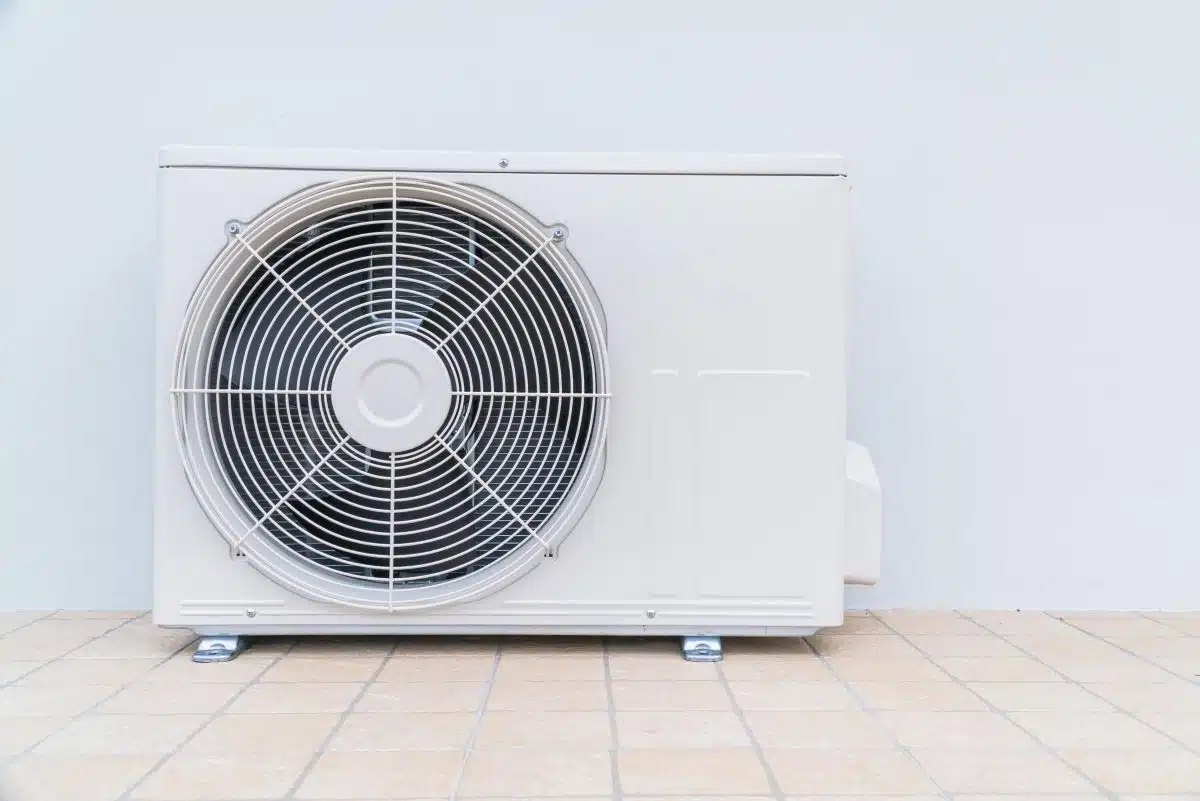 Who to Call for Heat Pump Issues?
When a heat pump begins to malfunction, knowing who to call can save time, money, and frustration. Because heat pumps function as both heating and cooling systems, they are more complex than traditional furnaces or air conditioners. Issues such as a heat pump not heating, a heat pump not turning on, or inconsistent performance during colder weather require specialized knowledge to diagnose correctly. For homeowners in Concord and San Ramon, the best solution is to contact a licensed HVAC professional who specializes in residential heat pump service.
Call a Heat Pump–Trained HVAC Professional
Not every HVAC contractor has the same level of experience with heat pump systems. Heat pumps rely on refrigerant flow, electrical components, sensors, and reversing valves to move heat rather than generate it. Because of this, proper heat pump troubleshooting requires a technician who understands how these systems operate in both heating and cooling modes.
A certified heat pump installer or trained HVAC technician can accurately evaluate your heat pump system, identify underlying issues, and recommend the most effective solution. This is especially important when your electric heat pump heating system is running but not producing enough heat, cycling frequently, or failing altogether.
Why Heat Pump Experience Matters
Calling a general handyman or attempting DIY repairs can often make heat pump problems worse. Without proper tools and training, it’s easy to misdiagnose the issue—leading to unnecessary part replacements or continued performance problems. Professional heat pump troubleshooting ensures that all aspects of the system are evaluated, including electrical connections, refrigerant levels, airflow, and system controls.
An experienced residential heat pump service provider will know how to identify issues such as:
- A heat pump not heating efficiently
- A heat pump not working in colder temperatures
- Problems with the thermostat or control board
- Refrigerant-related issues affecting performance
- Electrical failures preventing the system from turning on
These problems often appear similar on the surface, but their root causes can vary significantly. Accurate diagnosis is critical to restoring comfort and avoiding repeat service calls.
When to Call for Heat Pump Service
Homeowners should contact a professional as soon as they notice warning signs rather than waiting for a complete breakdown. Early intervention can prevent minor issues from turning into major repairs. Common signs that it’s time to call for heat pump troubleshooting include:
- The system runs constantly but doesn’t reach the set temperature
- The heat pump turns on and off frequently
- Airflow feels weak or uneven
- The system struggles during cold weather
- Utility bills increase without explanation
If your heat pump system is not working as expected, prompt service can help restore efficiency and protect the longevity of the equipment.
The Importance of Local Expertise
Climate conditions play an important role in heat pump performance. A contractor familiar with local weather patterns in Concord and San Ramon understands how cold weather heat pump systems should operate in this region. This local knowledge helps technicians fine-tune system settings, verify proper defrost cycles, and ensure reliable performance throughout the year.
Local residential heat pump service providers are also better equipped to respond quickly when issues arise, reducing downtime and restoring comfort sooner.
What to Expect When You Call a Professional
When you contact a qualified HVAC provider for heat pump issues, the process typically begins with a thorough system evaluation. This includes checking the thermostat, inspecting electrical components, measuring refrigerant levels, and assessing overall system operation. The technician will then explain their findings and outline recommended repairs or adjustments.
A reputable professional will focus on solutions that improve reliability and efficiency rather than offering unnecessary upgrades. In some cases, troubleshooting may reveal that maintenance or minor adjustments are all that’s needed to restore proper operation.
Trust Professionals for Long-Term Reliability
Heat pumps are designed to be energy-efficient and dependable, but only when they are properly installed and serviced. Calling a trained professional for heat pump troubleshooting ensures your system operates safely, efficiently, and consistently—especially during times when you rely on it most.
For homeowners experiencing heat pump problems, working with a trusted residential heat pump service provider is the most effective way to protect comfort, control energy costs, and extend the life of the heat pump system.
 How Much Should It Cost To Service A Heat Pump?
 How Much Should It Cost To Service A Heat Pump?
Understanding how much it should cost to service a heat pump helps homeowners plan ahead and avoid unexpected expenses. Because heat pumps handle both heating and cooling, they include more components than single-purpose systems, which means service costs can vary depending on the issue. For homeowners in Concord and San Ramon, knowing what goes into heat pump service pricing can make it easier to recognize fair value and schedule service with confidence.
Typical Heat Pump Service Costs
In most cases, the cost to service a residential heat pump includes a professional diagnostic assessment. This evaluation allows a technician to determine why the heat pump is not heating, not turning on, or not working efficiently. A standard service visit often covers system inspection, performance testing, and basic adjustments. Minor issues may be resolved during the initial appointment, while more complex problems may require additional labor or parts.
Routine service costs are generally lower than emergency repairs, especially when issues are caught early. Homeowners who schedule service at the first sign of trouble often avoid more extensive repairs and higher expenses later.
What Influences Heat Pump Service Pricing?
Several factors can affect how much it costs to service a heat pump system. One of the biggest variables is the nature of the problem. A heat pump not working due to a thermostat calibration issue is typically quicker to resolve than a refrigerant leak or electrical failure. Similarly, a heat pump not heating during cold weather may require more detailed testing to evaluate defrost cycles, sensors, and airflow.
System age also plays a role. Older heat pump systems may need additional diagnostic time, and replacement parts can sometimes be harder to source. Newer electric heat pump heating systems are often more efficient but may include advanced controls that require specialized knowledge to service properly.
Labor and Accessibility Considerations
The location of your heat pump system can also impact service costs. Units installed in attics, crawl spaces, or on rooftops may require extra time for access and safety measures. In contrast, easily accessible systems can often be serviced more quickly.
Labor time is another key factor. Simple residential heat pump service tasks—such as cleaning coils, tightening electrical connections, or replacing a worn capacitor—typically cost less than repairs involving refrigerant recovery or major component replacement.
Cold Weather and Seasonal Demand
Service pricing can also be influenced by seasonal demand. During colder months, more homeowners experience issues with cold weather heat pump performance, which can increase scheduling demand. While service costs remain consistent, availability may affect turnaround time, making early scheduling even more important.
Addressing heat pump troubleshooting needs before peak heating or cooling seasons can help homeowners avoid delays and ensure consistent comfort.
Maintenance vs. Repair Costs
Preventive maintenance is one of the most cost-effective ways to manage heat pump service expenses. Regular maintenance appointments help keep the heat pump system clean, calibrated, and operating efficiently. These visits can identify small issues before they cause the heat pump not heating properly or failing unexpectedly.
Repair costs tend to rise when maintenance is deferred. Dirty coils, restricted airflow, or worn electrical components place additional strain on the system, increasing the likelihood of breakdowns. Investing in routine residential heat pump service can reduce long-term repair costs and extend system lifespan.
When Replacement Becomes a Better Value
In some cases, repeated service calls may indicate that a heat pump is nearing the end of its useful life. If repairs become frequent or energy bills continue to rise, homeowners may benefit from discussing energy efficient heat pump installation options. While replacement has a higher upfront cost, it can lower operating expenses and improve reliability over time.
A professional technician can help determine whether continued repairs or system replacement offers the best overall value based on system condition, efficiency, and performance history.
What Homeowners Should Expect
Reputable HVAC providers explain service findings clearly and outline available solutions before proceeding. Homeowners should expect transparent pricing, professional recommendations, and a focus on long-term performance—not unnecessary upsells.
Ultimately, the cost to service a heat pump reflects the expertise required to keep a complex system running efficiently. Working with a qualified residential heat pump service provider helps ensure fair pricing, reliable repairs, and dependable comfort throughout the year.
 What Usually Breaks On A Heat Pump?
 What Usually Breaks On A Heat Pump?
Heat pumps are durable systems, but certain components experience more wear over time. Knowing what commonly fails can help homeowners recognize early warning signs and schedule service before a complete breakdown occurs.
Common Heat Pump Problems and Failures
Thermostat Issues
A faulty thermostat is one of the most frequent causes of a heat pump not working or not turning on. Incorrect temperature readings or communication errors can prevent the system from operating properly.
Refrigerant Leaks
Refrigerant plays a critical role in heat transfer. Low refrigerant levels can cause a heat pump not heating efficiently or struggling during cold weather. Leaks require professional repair and proper recharging.
Reversing Valve Malfunctions
The reversing valve allows the heat pump system to switch between heating and cooling. When this valve fails, the system may blow cold air when heat is needed—or fail to switch modes altogether.
Electrical Component Failures
Capacitors, contactors, and wiring connections are essential to system operation. Electrical issues can cause intermittent shutdowns, prevent startup, or trigger safety lockouts.
Dirty or Restricted Airflow
Clogged filters, dirty coils, or blocked ducts reduce airflow and strain the system. Poor airflow can lead to uneven heating, reduced efficiency, and increased wear on the electric heat pump heating system.
Defrost Cycle Problems
In colder weather, heat pumps rely on defrost cycles to prevent ice buildup. When sensors or controls fail, ice accumulation can limit performance and cause the heat pump not heating properly.
Heat Pump Troubleshooting for Cold Weather Performance
While heat pumps are well-suited to the Bay Area climate, cold weather heat pump issues can still arise—especially during early mornings or extended cool periods. Modern systems are designed to operate efficiently in lower temperatures, but problems can surface if components are worn or improperly calibrated.
Signs of cold weather heat pump trouble include:
- System running constantly without reaching set temperature
- Cool or lukewarm air from vents
- Ice buildup on the outdoor unit
- Increased energy usage
Professional heat pump troubleshooting ensures the system’s defrost cycle, sensors, and airflow are functioning correctly, helping maintain comfort even when temperatures drop.
Residential Heat Pump Service Focused on Efficiency
One of the main advantages of a heat pump system is energy efficiency. When properly maintained and serviced, heat pumps can significantly reduce heating costs compared to traditional systems.
Refreshed Heating & Cooling evaluates efficiency during every residential heat pump service visit. Our technicians check:
- System calibration and settings
- Airflow balance throughout the home
- Electrical performance
- Overall system efficiency
In some cases, recurring problems may indicate it’s time to consider upgrades or improvements—such as energy efficient heat pump installation options that better match your home’s needs.
When Heat Pump Repair Isn’t Enough
Not all issues can be solved with repairs alone. If your heat pump is older, frequently breaking down, or struggling to meet comfort demands, replacement may be the most cost-effective option long-term.
Signs replacement may be worth considering include:
- Frequent service calls
- Rising utility bills
- Inconsistent temperatures
- Difficulty maintaining comfort during cold weather
Refreshed Heating & Cooling can evaluate whether continued repair or a new energy efficient heat pump installation makes the most sense for your home and budget.
Why Homeowners Trust Refreshed Heating & Cooling
Choosing the right HVAC provider matters when dealing with complex systems like heat pumps. Homeowners in Concord and San Ramon trust Refreshed Heating & Cooling for:
- Specialized heat pump troubleshooting experience
- Knowledge of electric heat pump heating systems
- Clear explanations and honest recommendations
- Focus on long-term reliability and comfort
Our goal is to help homeowners feel confident in their system—not confused by technical jargon or rushed decisions.
Schedule Heat Pump Troubleshooting in Concord And San Ramon Today
If your heat pump is not heating, not turning on, or simply not performing as it should, professional troubleshooting can restore comfort and prevent further damage. Early diagnosis often saves time, money, and stress—especially during colder months.
For dependable heat pump troubleshooting services in Concord and San Ramon, CA, trust the experienced team at Refreshed Heating & Cooling.
📞 Call 925-755-4440 to schedule service
🌐 Or contact Refreshed Heating & Cooling through the website to request an appointment
Reliable comfort starts with expert care—let Refreshed Heating & Cooling help keep your home efficient, comfortable, and ready for every season.
