
If you’re considering adding a heat pump heater or heat pump air conditioner to your home, one question may be top of mind: How noisy are heat pumps? Because these systems run year-round to provide both heating and cooling, homeowners often wonder how much sound they’ll produce compared to traditional HVAC equipment.
The good news is that modern heat pumps are designed with quieter operation in mind. Still, like any mechanical system, they generate some level of noise. Understanding what’s normal—and what isn’t—can help you make informed decisions about heat pump installation, maintenance, and when it’s time to search for “heat pump repair near me.”
 Typical Noise Levels of Heat Pumps
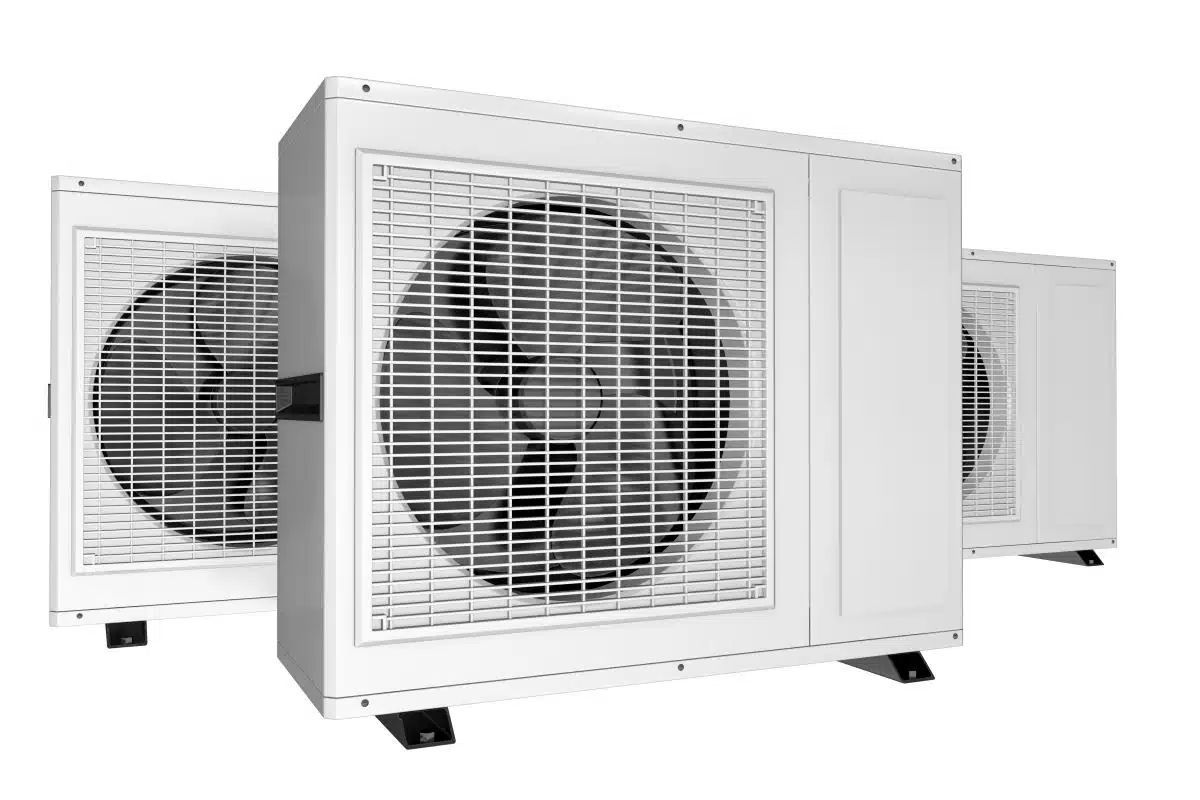 Typical Noise Levels of Heat Pumps
Most heat pump AC units and AC heat pumps produce between 40 to 60 decibels of sound during operation. For comparison:
- 40 dB is about the noise level of a quiet library.
- 60 dB is closer to normal conversational volume.
This means that while you will hear a heat pump for cooling or heating when it’s running, it shouldn’t be disruptive or overwhelming in a residential setting. The outdoor unit, which houses the fan and compressor, will typically generate more noticeable noise than the indoor unit.
What Causes Heat Pump Noise?
Several components inside your heat pump and air conditioner contribute to sound production:
- Compressor – This is the heart of the system, responsible for circulating refrigerant. Compressors hum or buzz during operation, but modern models are much quieter than older ones.
- Fans – Both indoor and outdoor fans move air across coils. A steady whooshing or whirring is normal, though rattling may indicate a loose blade or debris.
- Reversing Valve – This part allows the system to switch between heating and cooling. A noticeable “swish” or “click” when changing modes is typical.
- Defrost Cycle – In colder weather, a heat pump may enter defrost mode, producing sounds like swooshing or gurgling. These are generally harmless.
When Noise Becomes a Problem
While some sound is expected, excessive or unusual noises can signal trouble. Watch for:
- Grinding or Screeching – May indicate motor bearing issues.
- Banging or Clanking – Could mean a loose or broken component.
- Hissing – May point to refrigerant leaks.
- Constant Loud Operation – Suggests a struggling system, possibly requiring service.
If you notice these signs, it may be time to schedule professional heat pump services to diagnose and fix the issue before it escalates.
Factors That Influence Noise Levels
Not every heat pump runs at the same volume. Noise can vary based on:
- System Age – Older units tend to be louder due to wear and outdated design.
- Installation Quality – Improper heat pump installation can cause vibration or poor airflow, increasing noise.
- Location of the Unit – Outdoor units placed near windows or bedrooms may be more noticeable.
- Maintenance Habits – A dirty or poorly maintained heat pump AC unit will strain harder, often making more noise.
This is why regular servicing is key. A clean, well-tuned system operates not only more efficiently but also more quietly.
 How Heat Pump Services Reduce Noise
 How Heat Pump Services Reduce Noise
Routine maintenance goes beyond efficiency and reliability—it also helps control sound. During a service visit, technicians will:
- Clean and lubricate moving parts.
- Tighten loose components that may rattle.
- Inspect fan blades for alignment.
- Check refrigerant levels to reduce strain on the compressor.
- Ensure the system is securely mounted to minimize vibrations.
By keeping your heat pump heater and heat pump air conditioner in top shape, you’ll enjoy quieter operation and longer-lasting performance.
Comprehensive Guide To Heat Pump Services In Concord & San Ramon
Homeowners in the Bay Area know how important year-round comfort is. Whether you’re planning a new AC heat pump installation, need maintenance, or want to address unusual noises, having a reliable guide makes all the difference.
For a detailed breakdown of maintenance, servicing, and troubleshooting, take a look at this Comprehensive Guide To Heat Pump Services In Concord & San Ramon. It’s an excellent resource to help you understand how to keep your system running quietly and efficiently.
Tips for Quieter Heat Pump Operation
If you’re sensitive to noise, here are a few steps to minimize sound from your system:
- Choose the right location – Place the outdoor unit away from windows or outdoor living spaces.
- Install a sound blanket – Specially designed compressor covers can reduce operating noise.
- Keep the area clear – Trim plants and remove debris around the outdoor unit for smoother airflow.
- Schedule regular service – Preventive care helps avoid loud, disruptive breakdowns.
Final Thoughts
So, how noisy are heat pumps? While you will hear them running, the sound is typically no louder than background household noise. With proper installation, maintenance, and care, your heat pump for cooling and heating should provide comfort without causing a disturbance.
If your system seems louder than it should be—or if you’re ready to schedule a service to keep it running quietly—call 925-755-4440 today or send a message through our website. Our team is ready to provide the expert care your home deserves.
