OpenMon - Fri 8:00AM - 5:00PMLicense #697406
view-of-group-of-air-conditioning-in-a-wall-e1772556921376.jpg

When investing in an air conditioning system, one of the most common questions homeowners ask is how long their unit will last. Understanding the average lifespan of an AC unit—and what factors influence it—can help you plan for maintenance, repairs, and eventual replacement.

In most cases, a central air conditioning system will last between 10 to 15 years. However, this range can vary depending on how the system is installed, maintained, and used over time. With proper care and regular servicing, some systems may last even longer, while others may require replacement sooner.

What Determines The Lifespan Of An AC Unit?
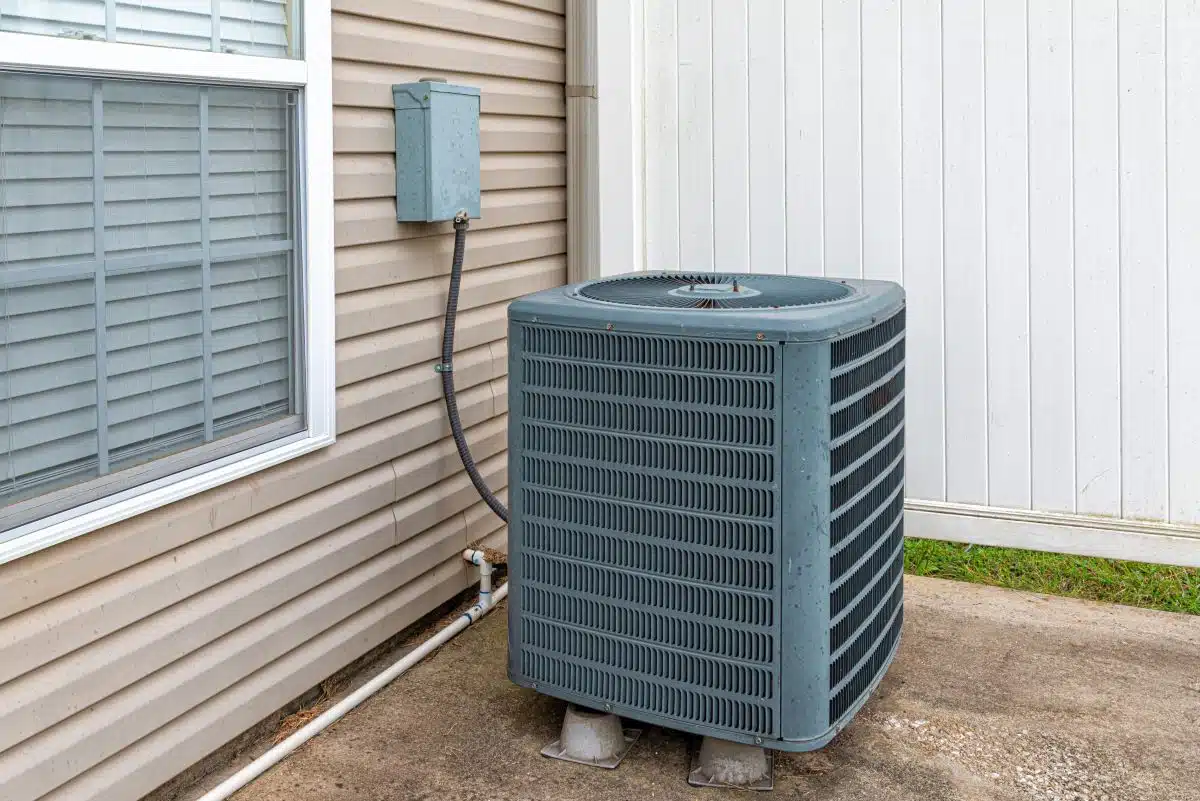
Several key factors play a role in how long your air conditioning system will last. Being aware of these can help you maximize your investment and avoid premature breakdowns.

Installation Quality

One of the most important factors is how well the system was installed. Proper sizing and installation ensure that your unit operates efficiently from the start. Systems that are too large or too small for the space can experience unnecessary strain, leading to more frequent AC repair in Concord CA or AC repair in San Ramon CA.

Professional AC installation in Concord CA or AC installation in San Ramon CA helps ensure your system is set up for long-term performance.

Routine Maintenance

Regular maintenance is essential for extending the life of your AC unit. Scheduling HVAC service in Concord CA or HVAC service in San Ramon CA allows technicians to identify small issues before they become major problems.

Maintenance typically includes:

  • Cleaning coils and components
  • Checking refrigerant levels
  • Inspecting electrical connections
  • Replacing air filters

These routine steps help keep your system running efficiently and reduce the need for frequent HVAC repair in Concord CA.

Usage And Climate

How often your AC system runs also affects its lifespan. In areas with warmer temperatures, systems tend to run longer and more frequently, which can lead to increased wear and tear.

Homes with poor insulation or airflow issues may also cause the system to work harder than necessary, shortening its lifespan and increasing the need for air conditioner repair in Concord CA.

Environmental Conditions

Outdoor units are exposed to dirt, debris, and weather conditions year-round. Without proper care, buildup can reduce efficiency and damage internal components.

Keeping the area around your unit clean and scheduling regular HVAC service in San Ramon CA can help protect your system from environmental wear.

Signs Your AC Unit May Be Nearing The End Of Its Lifespan

Even with proper maintenance, every AC unit will eventually reach the end of its lifespan. Recognizing the warning signs early can help you plan ahead and avoid unexpected breakdowns.

Common signs include:

  • Frequent need for AC repair in San Ramon CA or Concord
  • Rising energy bills without increased usage
  • Inconsistent cooling or uneven temperatures
  • Strange noises such as grinding or rattling
  • Reduced airflow or longer cooling cycles

If your system is over 10 years old and experiencing these issues, it may be time to consider air conditioner replacement in Concord CA.

Repair Vs Replacement: What Should You Do?

When your AC unit starts to show signs of aging, deciding between repair and replacement can be challenging.

When Repair Makes Sense

If your system is relatively new and the issue is minor, repairs are often the most cost-effective option. Routine HVAC repair in San Ramon CA can restore performance and extend the life of your unit.

When Replacement Is The Better Option

If your system is nearing the 10–15 year mark and requires frequent repairs, replacement may be the more practical choice. Newer systems are designed to be more energy-efficient, which can lower your monthly utility costs and improve overall comfort.

Upgrading your system through AC installation in San Ramon CA can also provide more consistent cooling and reduce the likelihood of unexpected breakdowns.

The Importance Of Professional AC Services

Working with a trusted HVAC provider plays a significant role in how long your system lasts. From installation to ongoing maintenance, professional service ensures your system operates at peak performance.

If you’re experiencing issues or want to keep your system running efficiently, exploring AC Repair Services In Concord And San Ramon CA an help you better understand available solutions and when to schedule service.

Additionally, if you’re evaluating providers, reviewing Choosing HVAC Companies In Concord And San Ramon CA can help you make a more informed decision about who to trust with your system.

How To Extend The Life Of Your AC Unit

While no system lasts forever, there are several steps you can take to maximize the lifespan of your air conditioner:

  • Schedule regular HVAC service in Concord CA
  • Replace air filters every 1–3 months
  • Keep outdoor units free of debris
  • Avoid overworking the system with extreme thermostat changes
  • Address small issues before they become major repairs

By staying proactive, you can reduce the need for frequent air conditioner repair in Concord CA and keep your system running efficiently for as long as possible.

Plan Ahead For Long-Term Comfort

Understanding the average lifespan of your AC unit helps you prepare for future expenses and avoid unexpected disruptions. Whether your system is brand new or nearing the end of its life, regular maintenance and timely repairs play a key role in maintaining comfort and efficiency.

If your system is showing signs of wear or you’re considering an upgrade, now is the time to take action.

Call 925-755-4440 today or send a message through the Refreshed Heating & Cooling website to schedule your service. Whether you need routine maintenance, AC repair in Concord CA, or guidance on a full system replacement, our team is here to help keep your home comfortable year-round.


sleek-air-source-heat-pump-e1772559316327.jpg

If you’re considering upgrading your home’s heating and cooling equipment, you may be wondering: does California offer rebates for heat pumps? The short answer is yes. California actively encourages homeowners to transition to more energy-efficient systems, and heat pumps are a key part of that effort.

Because a heat pump system can provide both heating and cooling in one unit, it is often more efficient than traditional furnaces or air conditioners. When installed properly, an electric heat pump heating system can significantly reduce energy consumption and lower monthly utility bills. To support this transition, state and local programs frequently offer rebates and incentives to offset installation costs.

Why California Supports Heat Pump Rebates

California has long prioritized reducing greenhouse gas emissions and improving energy efficiency in residential homes. Heat pumps are attractive because they transfer heat rather than generate it, making them more efficient than many traditional systems.

An energy efficient heat pump installation can reduce reliance on natural gas and improve indoor air quality. Because of these environmental and economic benefits, rebates are often available through state initiatives, utility providers, and federal programs.

However, eligibility requirements can vary depending on:

  • Income level
  • Existing heating system
  • Type of heat pump installed
  • Energy efficiency rating
  • Home location

Working with a certified heat pump installer ensures that your new system qualifies for available incentives.

What Types of Rebates Are Available?

While programs change over time, California homeowners may find rebates through:

  • State-sponsored clean energy initiatives
  • Local utility company incentive programs
  • Federal tax credits for energy-efficient upgrades

Rebates can range from several hundred to several thousand dollars, depending on the project scope. In some cases, replacing an older system that frequently experiences issues like heat pump not heating or heat pump not working may qualify for additional savings if you upgrade to a high-efficiency model.

Why Professional Installation Matters for Rebates

One of the most important requirements for rebate eligibility is proper installation. An improperly installed system may not meet performance standards, even if the equipment itself qualifies.

A certified heat pump installer will:

  • Perform accurate load calculations
  • Ensure proper refrigerant charge
  • Confirm correct electrical connections
  • Verify system efficiency ratings

Improper installation can lead to ongoing issues such as heat pump not turning on, uneven heating, or excessive energy use. Investing in professional installation protects both your rebate eligibility and long-term comfort.

Heat Pump Performance in California’s Climate

California’s diverse climate makes heat pumps a practical solution for many homeowners. In milder regions, standard models perform efficiently year-round. In cooler areas, a cold weather heat pump may be recommended to maintain reliable performance during lower temperatures.

Modern electric heat pump heating system models are designed to operate efficiently even in fluctuating weather conditions. When paired with regular residential heat pump service, they offer dependable comfort throughout the year.

Maintenance and Long-Term Savings

While rebates help offset installation costs, ongoing maintenance ensures continued efficiency. Even the most advanced system can experience problems without proper care.

If you notice:

  • Heat pump not heating evenly
  • Heat pump not working during peak temperatures
  • Strange noises or short cycling
  • Heat pump not turning on

It’s important to schedule prompt heat pump troubleshooting.

Routine residential heat pump service helps identify minor issues before they turn into major repairs. Regular maintenance also protects the efficiency gains that make heat pumps such a smart investment.

For homeowners in the East Bay area, professional support is available through Residential Heat Pump Services In Concord And San Ramon. Working with experienced technicians ensures your system continues operating at peak performance.

Do Rebates Cover Repairs?

Most rebate programs focus on new installations rather than repairs. If your current heat pump system is older and frequently requires heat pump troubleshooting, upgrading to a new energy efficient heat pump installation may be more cost-effective than continuing repairs.

However, some local utility providers may offer incentives for tune-ups or efficiency improvements. It’s worth checking available programs before scheduling a replacement.

How to Get Started

If you’re considering applying for rebates, here are a few steps to follow:

  • Schedule an evaluation with a certified heat pump installer.
  • Confirm equipment efficiency ratings meet program requirements.
  • Review rebate eligibility guidelines carefully.
  • Submit required documentation promptly after installation.

A knowledgeable installer can often guide you through the rebate process, helping ensure you receive the maximum available incentive.

The Bigger Financial Picture

Although rebates reduce upfront costs, the true value of a heat pump system lies in long-term energy savings. Lower monthly utility bills, improved efficiency, and reduced repair frequency all contribute to overall cost savings.

Compared to older systems that frequently experience issues like heat pump not heating or heat pump not working, modern installations provide improved reliability and performance.

Over time, the combination of rebates and energy savings can significantly offset installation expenses.

Final Thoughts

So, does California offer rebates for heat pumps? In many cases, yes. State, federal, and utility programs often provide financial incentives for homeowners who invest in energy efficient heat pump installation.

To qualify, proper installation and professional service are essential. Working with an experienced technician ensures your electric heat pump heating system meets eligibility requirements and delivers dependable performance.

If you’re ready to explore your options or need assistance with heat pump troubleshooting, residential heat pump service, or a new installation, call 925-755-4440 today or send a message through the website. Upgrading your heat pump system could improve your home’s comfort, efficiency, and long-term savings.


air-conditioner-compressor-is-set-up-e1772558637579.jpg

If you’re considering upgrading your home’s heating and cooling equipment, you may be wondering: what is the average cost to install a heat pump system? Heat pumps have become increasingly popular due to their efficiency, versatility, and ability to provide year-round comfort. Whether you’re replacing an outdated unit or installing a brand-new electric heat pump heating system, understanding the costs involved can help you plan confidently.

While pricing varies based on home size, equipment type, and installation complexity, most homeowners can expect to invest anywhere from $6,000 to $15,000 for a complete energy efficient heat pump installation. Let’s break down what influences that range and what you should consider before moving forward.

What Affects Heat Pump Installation Costs?

Several factors determine the final price of installing a heat pump system.

Type of Heat Pump

There are different types of systems available, including air-source and cold weather heat pump models. Standard air-source systems are typically more affordable, while advanced cold weather heat pump units designed for lower temperatures may cost more upfront but deliver better winter performance.

Your climate and home insulation levels will influence which system is best for your needs.

System Size and Capacity

Proper sizing is essential. A unit that is too small may result in a heat pump not heating effectively during peak demand. On the other hand, an oversized system may short cycle, reducing efficiency and increasing wear.

A certified heat pump installer will perform load calculations to determine the appropriate capacity for your home. This ensures consistent comfort and long-term reliability.

Ductwork Condition

If your existing ductwork is in good condition, installation costs may stay on the lower end of the range. However, damaged, leaking, or poorly designed ducts can add to the overall expense.

In some cases, duct modifications or sealing may be necessary to prevent issues like uneven airflow or a heat pump not working efficiently.

Electrical Upgrades

Because an electric heat pump heating system relies on your home’s electrical supply, older homes may require panel upgrades or new wiring. Electrical modifications increase installation costs but ensure safe operation.

Why Professional Installation Matters

Choosing a certified heat pump installer is critical for protecting your investment. Improper installation can lead to:

  • Frequent heat pump troubleshooting
  • Reduced efficiency
  • Shortened system lifespan
  • Heat pump not turning on due to wiring errors
  • Ongoing repair expenses

Professional installation ensures proper refrigerant charge, secure electrical connections, accurate system sizing, and compliance with local building codes.

An energy efficient heat pump installation performed correctly from the beginning reduces the likelihood of future performance issues.

Long-Term Cost Considerations

Although the upfront cost of a heat pump system may seem significant, it’s important to consider long-term savings.

Heat pumps are known for their efficiency because they transfer heat rather than generate it. This often leads to lower monthly energy bills compared to traditional heating systems.

Additionally, modern cold weather heat pump models are designed to perform efficiently even during colder temperatures, making them a practical choice for a variety of climates.

Homeowners should also factor in potential rebates or incentives, which can offset installation costs depending on location and available programs.

Maintenance and Service Costs

After installation, routine residential heat pump service is essential for maintaining efficiency and preventing breakdowns. Annual maintenance typically costs far less than major repairs and helps avoid situations like a heat pump not heating or a heat pump not working during peak seasons.

If issues arise, prompt heat pump troubleshooting can resolve small problems before they escalate. Regular service appointments may include:

  • Inspecting refrigerant levels
  • Cleaning coils
  • Checking electrical components
  • Testing thermostat calibration
  • Evaluating airflow performance

For homeowners in the East Bay area, scheduling Residential Heat Pump Services In Concord And San Ramon ensures ongoing support after installation.

Signs It May Be Time for a New System

If your current unit frequently experiences issues such as:

  • Heat pump not heating evenly
  • Heat pump not turning on
  • Rising energy bills
  • Repeated repair visits

It may be more cost-effective to replace the system rather than continue investing in repairs.

Older systems often lack the efficiency of modern electric heat pump heating system models. Upgrading to a newer unit provides improved reliability and enhanced comfort.

The Value of Energy Efficiency

An energy efficient heat pump installation offers more than just comfort. Improved efficiency reduces your environmental footprint and lowers operating costs over time.

When installed properly, a heat pump system provides both heating and cooling in one unit, eliminating the need for separate systems. This dual functionality contributes to overall cost savings and convenience.

Working with a certified heat pump installer ensures your system is optimized for performance, especially if you’re selecting a cold weather heat pump for improved winter operation.

Final Thoughts

So, what is the average cost to install a heat pump system? Most homeowners can expect to invest between $6,000 and $15,000, depending on equipment type, home size, ductwork condition, and electrical requirements. While the upfront cost varies, proper installation and routine residential heat pump service help maximize long-term value.

If you’re considering upgrading your heat pump system or experiencing issues like a heat pump not heating, heat pump not working, or heat pump not turning on, professional guidance is key.

Call 925-755-4440 today or send a message through the website to discuss your options. A properly installed and maintained heat pump system provides dependable comfort, energy efficiency, and peace of mind for years to come.


air-conditioner-compressor-installed-on-the-wall-e1772558051173.jpg

If you rely on a heat pump system to keep your home comfortable year-round, regular maintenance is essential. Whether you have a modern electric heat pump heating system or a cold weather heat pump designed for lower temperatures, routine service helps prevent breakdowns, improve efficiency, and extend equipment life. One of the most common questions homeowners ask is: how much does it cost to get my heat pump serviced?

The answer depends on several factors, including the type of service needed, the age of the system, and whether repairs are required. Below, we’ll break down typical costs and explain why investing in residential heat pump service can save you money in the long run.

Average Cost of Heat Pump Service

For routine maintenance, most homeowners can expect to pay between $100 and $250 for a standard service visit. This typically includes:

  • Inspecting electrical connections
  • Checking refrigerant levels
  • Cleaning coils
  • Testing thermostat calibration
  • Inspecting airflow and duct performance

Routine service is designed to keep your heat pump system operating efficiently and to catch small problems before they escalate.

If your system is experiencing issues—such as a heat pump not heating properly or a heat pump not turning on—additional diagnostic time and repairs may increase the cost.

What Impacts the Cost of Service?

Several factors influence how much you’ll pay for heat pump troubleshooting and repairs.

Type of Problem

A simple issue like a clogged filter or minor thermostat adjustment will cost significantly less than repairing a failing compressor. If your heat pump not working due to electrical damage or refrigerant leaks, repairs can range from a few hundred to over a thousand dollars, depending on severity.

System Age

Older systems often require more extensive repairs. As components wear down, parts become harder to source, and labor time may increase. If your electric heat pump heating system is over 10–15 years old and frequently experiencing issues, replacement may eventually be more cost-effective than repeated repairs.

Seasonal Demand

During peak summer and winter months, HVAC service demand rises. If your cold weather heat pump stops functioning during a cold snap, emergency service may carry higher rates compared to scheduling preventative maintenance during mild seasons.

Preventative Maintenance vs. Emergency Repairs

Many homeowners wait until their heat pump not heating or completely failing before calling for service. However, preventative maintenance is typically far less expensive than emergency repairs.

Routine residential heat pump service helps:

  • Improve energy efficiency
  • Reduce utility bills
  • Extend system lifespan
  • Prevent unexpected breakdowns
  • Maintain manufacturer warranty coverage

Annual or bi-annual service visits often cost less than a single major repair caused by neglect.

Signs You Should Schedule Service

If you’re unsure whether your system needs attention, look for these warning signs:

  • Uneven temperatures throughout your home
  • Strange noises such as grinding or buzzing
  • Rising energy bills
  • Frequent cycling on and off
  • Ice buildup on outdoor coils
  • Heat pump not turning on

Addressing these issues early through professional heat pump troubleshooting can prevent more serious damage.

When Repair Costs Lead to Replacement

In some cases, service appointments reveal that the system is nearing the end of its lifespan. If repair costs approach half the price of a new unit, upgrading may be the smarter investment.

A modern energy efficient heat pump installation can offer:

  • Improved performance in cold weather
  • Lower monthly energy costs
  • Advanced thermostat compatibility
  • Quieter operation
  • Enhanced reliability

Working with a certified heat pump installer ensures your new system is properly sized and installed for maximum performance and longevity.

The Value of Professional Expertise

While some homeowners attempt DIY maintenance, professional service goes far beyond changing filters. Certified technicians perform comprehensive evaluations of your entire heat pump system, including electrical components and refrigerant lines that require specialized tools and training.

A certified heat pump installer or service technician can accurately diagnose issues like:

  • Refrigerant imbalances
  • Failing capacitors
  • Blower motor problems
  • Defrost cycle malfunctions

Attempting to handle these issues without proper training can cause additional damage and safety risks.

Protecting Your Investment

Your heat pump system is one of the most important components of your home’s comfort and energy efficiency. Regular servicing protects that investment and helps you avoid the stress of unexpected breakdowns.

If you live in the East Bay area, scheduling Residential Heat Pump Services In Concord And San Ramon ensures your system receives expert attention tailored to local climate conditions. Routine inspections can identify minor wear before it leads to larger repairs.

Long-Term Cost Savings

Although homeowners sometimes hesitate at the upfront cost of maintenance, the long-term savings often outweigh the expense. A well-maintained electric heat pump heating system operates more efficiently, which reduces monthly energy bills.

Additionally, preventing major breakdowns eliminates emergency repair fees and extends the overall lifespan of your equipment.

For cold weather heat pump systems, proper maintenance is especially critical. Reliable operation during winter months depends on well-maintained coils, refrigerant levels, and defrost cycles.

Final Thoughts

So, how much does it cost to get your heat pump serviced? For routine maintenance, most homeowners can expect to invest between $100 and $250 per visit. Repair costs vary depending on the issue, but early heat pump troubleshooting and preventative residential heat pump service are always more affordable than major repairs or full system replacements.

If your heat pump not heating, your heat pump not working properly, or your heat pump not turning on at all, don’t wait for the problem to get worse. Call 925-755-4440 today or send a message through the website to schedule professional service. Keeping your heat pump system properly maintained ensures reliable comfort and energy efficiency throughout the year.


view-of-group-of-air-conditioning-in-a-wall-e1772556921376.jpg

A reliable heat pump system is designed to keep your home comfortable year-round. Whether you rely on an electric heat pump heating system during the winter or use it for cooling in the summer, consistent performance is key to maintaining indoor comfort and energy efficiency. But like any mechanical system, heat pumps don’t last forever. Recognizing early warning signs can help you address problems before they turn into costly repairs or full replacements.

If you’ve noticed your heat pump not heating properly or your heat pump not working the way it should, here are the most common signs that your system may be failing.

Your Heat Pump Is Not Heating Effectively

One of the most obvious red flags is a heat pump not heating your home evenly or consistently. If you’re adjusting the thermostat frequently and still feeling cold air from the vents, something may be wrong.

Possible causes include:

  • Low refrigerant levels
  • Failing compressor
  • Dirty coils
  • Airflow restrictions

In colder months, even a cold weather heat pump should maintain steady warmth. If it struggles during mild temperatures, it’s a strong indicator that professional heat pump troubleshooting is needed.

The System Frequently Turns On and Off

Short cycling—when the heat pump system repeatedly turns on and off—can signal internal issues. This behavior places unnecessary strain on components and reduces overall efficiency.

Common reasons for short cycling include:

  • Thermostat malfunctions
  • Electrical issues
  • Improper system sizing
  • Refrigerant imbalance

An improperly sized unit may have been installed without accurate load calculations. This is why working with a certified heat pump installer is critical for long-term performance.

Unusual Noises During Operation

Heat pumps are designed to operate relatively quietly. If you begin hearing grinding, rattling, buzzing, or banging sounds, your system may be experiencing mechanical wear or loose components.

Strange noises often point to:

  • Motor problems
  • Fan blade damage
  • Electrical malfunctions
  • Compressor issues

Addressing these sounds early with residential heat pump service can prevent more serious system damage.

Your Heat Pump Is Not Turning On

A heat pump not turning on at all can be alarming. Before assuming the worst, check your thermostat settings and breaker panel. However, if power supply and settings appear normal, internal electrical components may be failing.

Electrical failures should always be handled by a licensed technician or certified heat pump installer. Attempting DIY repairs on wiring or circuit boards can lead to further damage or safety hazards.

Rising Energy Bills

If your utility bills are increasing without a noticeable change in usage, your electric heat pump heating system may be losing efficiency. As components wear down, the system must work harder to produce the same level of comfort.

An aging or failing system may no longer reflect the performance standards of an energy efficient heat pump installation. Routine inspections can identify inefficiencies and restore optimal operation.

Ice Buildup That Doesn’t Resolve

It’s normal for a cold weather heat pump to experience occasional frost during winter. However, persistent ice buildup that doesn’t clear during defrost cycles indicates a deeper issue.

Potential causes include:

  • Refrigerant leaks
  • Defrost control failure
  • Blocked airflow

Ignoring ice buildup can cause compressor damage, which is one of the most expensive heat pump repairs.

Weak or Inconsistent Airflow

If certain rooms feel colder than others, your heat pump system may not be distributing air evenly. Blocked ducts, dirty filters, or failing blower motors can restrict airflow.

While replacing filters is a simple maintenance step, continued weak airflow may require professional heat pump troubleshooting to inspect internal components and ductwork.

Frequent Repairs

If you’ve scheduled multiple repair visits in a short period, your system may be nearing the end of its lifespan. Most heat pumps last 10–15 years with proper maintenance. As systems age, parts begin to wear out more frequently.

At this point, it may be worth discussing an upgrade with a provider offering Certified Heat Pump Installation In Concord And San Ramon, CA. A properly installed modern unit can improve efficiency, reduce repair costs, and restore reliable performance.

The Heat Pump Is Not Working in Extreme Temperatures

While heat pumps are designed to handle seasonal changes, complete system failure during peak summer or winter conditions is a warning sign. If your heat pump not working during high-demand periods, it could indicate compressor failure or severe electrical problems.

Routine maintenance through Residential Heat Pump Services In Concord And San Ramon can help identify these issues before they lead to full breakdowns.

Why Early Diagnosis Matters

Catching small issues early prevents them from escalating into major repairs. A failing heat pump system doesn’t just affect comfort—it also impacts energy efficiency and long-term equipment health.

Professional residential heat pump service typically includes:

  • Inspecting electrical connections
  • Checking refrigerant levels
  • Cleaning internal coils
  • Testing thermostat calibration
  • Evaluating overall system performance

Working with a certified heat pump installer ensures repairs and installations meet safety standards and manufacturer guidelines.

When Replacement Makes Sense

Sometimes repairing a failing system is no longer cost-effective. If your unit is older, inefficient, or frequently experiencing problems like heat pump not heating or heat pump not turning on, upgrading to a new energy efficient heat pump installation may be the better investment.

Modern systems offer:

  • Improved cold weather heat pump performance
  • Lower energy consumption
  • Quieter operation
  • Advanced thermostat compatibility

A properly installed electric heat pump heating system can significantly enhance year-round comfort.

Final Thoughts

Recognizing the signs of a failing heat pump early can save you time, money, and stress. If you notice your heat pump not heating, hear unusual noises, experience rising energy bills, or find your heat pump not working altogether, it’s time to schedule professional heat pump troubleshooting.

Don’t wait for a complete breakdown. Call 925-755-4440 today or send a message through the website to schedule residential heat pump service. Keeping your heat pump system in peak condition ensures reliable comfort and energy efficiency for years to come.


air-source-heat-pump-installed-outside-a-house-e1772555313890.jpg

A properly functioning heat pump system keeps your home comfortable in every season. Whether you rely on an electric heat pump heating system for winter warmth or cooling during the summer, consistent performance depends on proper maintenance and timely repairs. But what should you do if your heat pump not heating, your heat pump not working, or your heat pump not turning on at all?

Understanding the basics of heat pump troubleshooting can help you identify minor issues and determine when it’s time to call for professional residential heat pump service. Here’s a step-by-step guide to diagnosing common heat pump problems.

Start With the Thermostat

Before assuming the worst, always check your thermostat settings. It may seem simple, but incorrect settings are one of the most common causes of a heat pump not heating.

Make sure:

  • The system is set to “heat” (not cool or fan only)
  • The temperature setting is higher than the current room temperature
  • The thermostat has fresh batteries (if applicable)

If your heat pump not turning on, verify that the thermostat display is functioning properly. A blank screen could indicate a power issue rather than a mechanical failure.

Check the Power Supply

If your heat pump not working entirely, inspect the power supply. Look at your home’s electrical panel to see if a breaker has tripped. Reset it once if necessary, but if it trips again, avoid repeated resets and contact a professional.

Also check:

  • The outdoor disconnect switch
  • Any visible wiring issues
  • Signs of burning or unusual smells

Electrical concerns should always be handled by a certified heat pump installer or licensed technician to avoid safety risks.

Inspect the Air Filter

A dirty air filter can restrict airflow and cause your heat pump system to struggle. Reduced airflow can lead to overheating, freezing coils, or inefficient operation.

If you notice:

  • Weak airflow from vents
  • Higher energy bills
  • Uneven heating

Replace or clean the filter and monitor system performance. Regular filter maintenance supports long-term efficiency and complements energy efficient heat pump installation practices.

Examine the Outdoor Unit

Your outdoor unit plays a crucial role in transferring heat. Debris, dirt, or ice buildup can reduce performance—especially for a cold weather heat pump during winter months.

Check for:

  • Leaves or debris blocking airflow
  • Ice accumulation that doesn’t melt during defrost cycles
  • Loud or unusual noises

If your cold weather heat pump struggles in lower temperatures, it may require professional calibration rather than simple cleaning.

Listen for Unusual Sounds

Strange noises can provide valuable clues during heat pump troubleshooting. Grinding, buzzing, or rattling sounds may indicate:

  • Loose components
  • Failing motors
  • Electrical issues
  • Refrigerant problems

If the system runs but produces abnormal sounds, schedule residential heat pump service before minor damage turns into costly repairs.

Watch for Short Cycling

Short cycling occurs when the system turns on and off frequently without completing a full heating or cooling cycle. This issue can strain your electric heat pump heating system and increase energy consumption.

Common causes include:

  • Thermostat malfunctions
  • Refrigerant imbalances
  • Dirty coils
  • Incorrect system sizing

An improperly sized unit may have been installed without proper load calculations. If you suspect installation issues, it’s worth consulting experts in Certified Heat Pump Installation In Concord And San Ramon, CA to ensure your system meets your home’s specific requirements.

Check for Refrigerant Issues

Low refrigerant levels can cause a heat pump not heating effectively. Signs include:

  • Ice buildup on coils
  • Hissing sounds
  • Reduced heating capacity

Refrigerant handling requires specialized equipment and certification. Never attempt to check or refill refrigerant yourself. A certified heat pump installer can properly diagnose and resolve these issues safely.

Evaluate System Age and Installation Quality

Sometimes recurring issues aren’t caused by a single malfunction but by overall system age or poor installation. Even the most advanced energy efficient heat pump installation will eventually require replacement after years of use.

If your system frequently experiences problems like:

  • Heat pump not working during peak temperatures
  • Ongoing efficiency drops
  • Repeated repairs

It may be time to consider an upgrade or comprehensive inspection.

When To Call a Professional

While homeowners can perform basic inspections, certain problems require expert attention. Call for residential heat pump service if:

  • The heat pump not turning on after checking breakers and thermostat
  • You smell burning or notice electrical damage
  • Ice buildup persists
  • The system continues short cycling
  • You suspect refrigerant leaks

Professional technicians use advanced diagnostic tools to assess airflow, electrical connections, refrigerant pressure, and internal components.

For homeowners in the East Bay area, reliable support is available through Residential Heat Pump Services In Concord And San Ramon. Routine maintenance visits can prevent unexpected breakdowns and extend the life of your heat pump system.

Preventing Future Problems

Proactive maintenance is the best way to avoid major heat pump troubleshooting situations. Consider scheduling annual service visits to:

  • Clean internal coils
  • Inspect electrical connections
  • Test refrigerant levels
  • Calibrate thermostat settings
  • Verify system efficiency

Regular care ensures your cold weather heat pump operates reliably in winter and your electric heat pump heating system maintains consistent performance year-round.

Final Thoughts

Diagnosing heat pump problems starts with simple checks—thermostat settings, filters, breakers, and airflow. However, if your heat pump not heating, your heat pump not working, or your heat pump not turning on after these steps, professional help is the safest and most effective solution.

Timely residential heat pump service protects your investment, improves efficiency, and restores home comfort quickly. If you’re experiencing issues or would like a full system inspection, call 925-755-4440 or send a message through the website today. A properly diagnosed and maintained heat pump system ensures dependable comfort in every season.


air-conditioning-units-in-a-row.jpg

A heat pump is one of the most energy-efficient ways to heat and cool your home. Whether you rely on a modern electric heat pump heating system or a cold weather heat pump designed for lower temperatures, keeping your equipment clean is essential for reliable performance. But many homeowners ask the same question: can you clean your heat pump yourself?

The short answer is yes—there are some basic maintenance tasks you can handle. However, deeper cleaning and full heat pump troubleshooting should always be left to a trained professional to avoid damage and safety risks. Let’s take a closer look at what you can safely do on your own and when it’s time to call for residential heat pump service.

Why Heat Pump Maintenance Matters

Your heat pump system works year-round, providing both heating and cooling. Because it runs in every season, it naturally accumulates dust, dirt, and debris. Without regular maintenance, you may start noticing issues like:

  • Heat pump not heating properly
  • Reduced airflow
  • Higher energy bills
  • Strange noises
  • Heat pump not working efficiently

Routine cleaning improves airflow, protects internal components, and helps your energy efficient heat pump installation continue operating as designed. Neglecting maintenance, on the other hand, can lead to system strain and premature repairs.

What You Can Clean Yourself

There are several safe and simple tasks homeowners can handle without special tools.

Replace or Clean the Air Filter

The air filter is one of the most important components of your electric heat pump heating system. A clogged filter restricts airflow and can cause your heat pump not heating properly or even freezing up.

Check your filter every 1–3 months. If it’s disposable, replace it. If it’s reusable, gently wash and dry it completely before reinstalling.

Clear Debris Around the Outdoor Unit

Leaves, dirt, and grass clippings often accumulate around the outdoor unit. For proper airflow, keep at least two feet of clear space around the system. Turn the unit off at the breaker before cleaning.

You can:

  • Remove leaves and debris by hand
  • Trim back shrubs or plants
  • Gently rinse the exterior coils with a garden hose (never use a pressure washer)

Keeping the outdoor unit clean helps prevent problems like a heat pump not turning on due to overheating or restricted airflow.

Check Vents and Registers

Blocked indoor vents can reduce system performance and create uneven heating. Make sure furniture, rugs, or curtains aren’t obstructing airflow.

While these steps help maintain your heat pump system, they only address surface-level concerns.

What You Should Not Attempt

Heat pumps are complex systems involving electrical components, refrigerant lines, and internal coils. Attempting to clean or repair these parts yourself can cause serious damage or void warranties.

Avoid:

  • Opening sealed refrigerant lines
  • Cleaning internal coils without proper training
  • Handling electrical connections
  • Diagnosing advanced system errors

If your heat pump not working or your heat pump not turning on, professional heat pump troubleshooting is the safest solution.

Signs You Need Professional Service

Even with regular cleaning, certain symptoms indicate it’s time to call for residential heat pump service:

  • Heat pump not heating in cold weather
  • Unusual grinding, buzzing, or rattling sounds
  • Short cycling (turning on and off repeatedly)
  • Ice buildup that doesn’t resolve
  • Persistent thermostat issues

A trained technician can perform a full system inspection, check refrigerant levels, clean internal coils properly, and test electrical components safely.

If you’re in the East Bay, professional support is available through Residential Heat Pump Services In Concord And San Ramon. Routine service not only restores comfort but also extends the life of your equipment.

Special Considerations for Cold Weather Heat Pumps

Cold weather heat pump systems are designed to operate efficiently even in lower temperatures. However, they still require regular maintenance. Ice buildup, defrost cycle issues, and airflow problems can reduce performance.

If you notice your cold weather heat pump struggling during chilly mornings, it may not be a cleaning issue at all. Instead, it could require calibration or component repair—something only a certified heat pump installer or technician should handle.

The Importance of Professional Installation

Proper installation plays a major role in how easy your system is to maintain. An energy efficient heat pump installation performed by a qualified professional ensures:

  • Correct sizing for your home
  • Proper refrigerant charge
  • Secure electrical connections
  • Balanced airflow
  • Long-term reliability

If your system is aging or frequently requires repairs, it may be worth discussing an upgrade. Learn more about Certified Heat Pump Installation In Concord And San Ramon, CA to ensure your next system is installed correctly from day one.

Working with a certified heat pump installer gives you peace of mind that your equipment meets local codes and manufacturer guidelines.

DIY Cleaning vs. Professional Maintenance
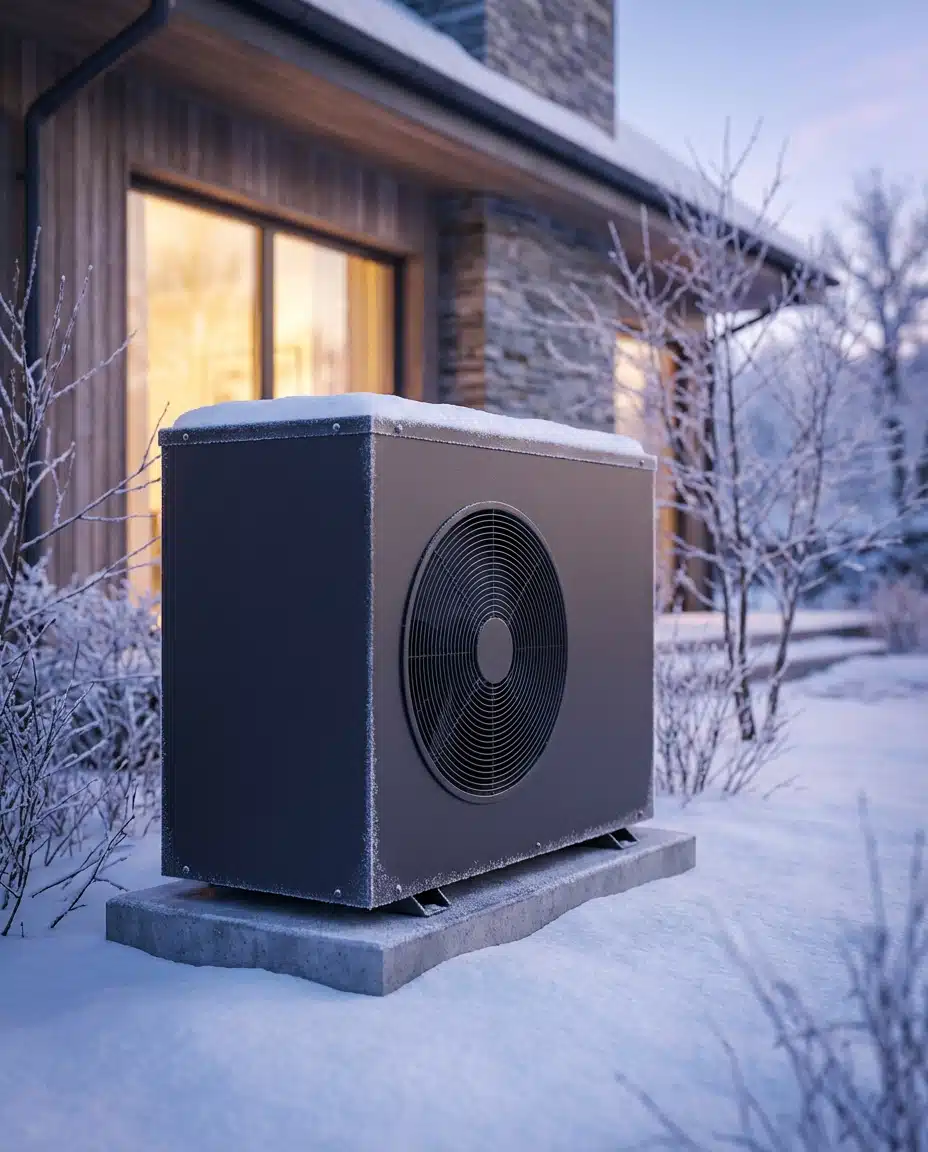
Think of DIY cleaning as preventative care—like changing the oil in your car. It’s helpful, but it doesn’t replace a full inspection.

Homeowners can:

  • Change filters
  • Clear debris
  • Keep vents unobstructed

Professionals provide:

  • Complete heat pump troubleshooting
  • Electrical and refrigerant testing
  • Internal coil cleaning
  • Performance optimization

Combining both approaches keeps your electric heat pump heating system running efficiently year after year.

Final Thoughts

So, can you clean your heat pump yourself? Yes—but only the basic components. Simple maintenance tasks help improve airflow and prevent minor issues. However, when your heat pump not heating, your heat pump not working, or your heat pump not turning on, it’s time to call in a professional.

Protect your investment with expert residential heat pump service and ensure your home stays comfortable in every season.

If you’re experiencing issues or want to schedule preventative maintenance, call 925-755-4440 or send a message through the website today. A properly maintained heat pump system delivers comfort, efficiency, and peace of mind all year long.


cozy-wooden-house-with-snow-in-winter-day-e1769187086347.jpg

When winter temperatures drop, many homeowners rely on their heat pump to keep their home comfortable and energy efficient. So when a system suddenly struggles—or stops working altogether—it raises an important question: why is my heat pump not working in cold weather?

Cold conditions can expose underlying issues in a heat pump system, but the cause isn’t always obvious. Understanding how heat pumps operate in winter and what commonly affects their performance can help homeowners know when professional service is needed.

How Heat Pumps Perform in Cold Weather

A cold weather heat pump doesn’t create heat the way a furnace does. Instead, it transfers heat from the outdoor air into your home. Even in low temperatures, outdoor air still contains usable heat energy. Modern electric heat pump heating systems are designed to extract that energy efficiently, especially in climates like Northern California.

However, as temperatures drop, the system has to work harder. This can reduce efficiency and make existing issues more noticeable. When a heat pump is not working properly in winter, it’s often due to airflow, electrical, or maintenance-related problems rather than outdoor temperature alone.

Common Reasons a Heat Pump Stops Working in Winter

If your heat pump is not heating your home during cold weather, several issues could be at play.

One of the most common problems is restricted airflow. Dirty air filters, blocked vents, or debris around the outdoor unit can prevent the system from operating efficiently. Reduced airflow can make it seem like the heat pump isn’t producing enough heat, even though it’s running.

Another frequent issue involves the defrost cycle. During winter, frost can build up on the outdoor unit. Heat pumps are designed to periodically defrost themselves, but if the defrost system fails, ice buildup can interfere with operation and cause the heat pump not working properly.

Electrical and Thermostat Issues

Cold weather can also reveal electrical problems. Loose connections, worn components, or faulty sensors may prevent the system from starting or cycling correctly. In some cases, homeowners may find their heat pump not turning on at all.

Thermostat settings are another overlooked factor. Incorrect programming, dead batteries, or miscommunication between the thermostat and the heat pump system can prevent proper heating. Professional heat pump troubleshooting helps identify whether the issue is mechanical or control-related.

Installation Matters More Than You Think

Not all cold-weather problems are caused by age or wear. Improper installation plays a major role in winter performance issues. A system that’s incorrectly sized or poorly installed may struggle to maintain indoor comfort during colder nights.

Working with a certified heat pump installer ensures your system is properly designed for your home’s layout, insulation, and heating needs. Energy efficient heat pump installation helps prevent uneven heating, excessive cycling, and performance loss during colder weather.

The Role of Regular Maintenance

Routine maintenance is essential for winter reliability. Without regular inspections, small issues can go unnoticed until cold weather places additional strain on the system. Refrigerant levels, electrical components, and airflow must all be properly maintained for consistent performance.

Scheduling professional residential heat pump service before or during winter helps reduce the risk of breakdowns. Preventive maintenance not only improves efficiency but also extends the life of your system and reduces unexpected repair costs.

Local Cold-Weather Challenges in Contra Costa County

Homeowners experiencing Heat Pump Not Heating In Cold Weather In Concord And San Ramon, CA often face similar concerns. While the region doesn’t experience extreme winter temperatures, overnight lows and increased system demand can still affect performance—especially if maintenance has been delayed.

Local climate conditions, combined with system age or installation quality, can influence how well a heat pump handles colder weather. Addressing these issues early can help restore comfort and prevent more serious damage.

When to Call a Professional

If basic checks don’t resolve the issue, professional service is the next step. Ongoing problems such as uneven heating, unusual noises, short cycling, or rising energy bills indicate the need for expert evaluation.

Homeowners seeking reliable support can explore Residential Heat Pump Services In Concord And San Ramon, which include diagnostics, repairs, maintenance, and system optimization. Professional technicians understand how local conditions affect heat pump performance and can provide solutions tailored to your home.

Are Heat Pumps Still Reliable in Winter?

Yes—when properly installed and maintained, heat pumps remain a dependable heating solution even during colder weather. Advances in technology have improved cold-weather performance, making modern systems more efficient and reliable than ever.

If your heat pump is not working as expected during winter, it’s often a sign that service or adjustments are needed—not that the system itself is unsuitable for cold weather.

Final Thoughts

So, why is your heat pump not working in cold weather? In most cases, the issue stems from airflow restrictions, electrical problems, maintenance needs, or installation-related factors—not the temperature alone. Addressing these concerns early helps restore comfort, efficiency, and reliability.

If your heat pump is struggling this winter, call 925-755-4440 or send a message through the website to schedule professional service. Expert support ensures your system stays efficient, dependable, and ready to handle cold weather with confidence.


heat-pumps-for-heating-and-water-heating-e1769185996972.jpg

Heat pumps have become an increasingly popular choice for homeowners looking for an energy-efficient and environmentally friendly way to heat their homes. But one question comes up frequently—especially during winter cold snaps: do heat pumps work in extremely cold weather?

The short answer is yes, modern heat pump systems are designed to operate in cold climates. However, performance depends on factors like system type, installation quality, and maintenance. Understanding how heat pumps function in low temperatures can help homeowners recognize issues early and know when to schedule professional service.

How Heat Pumps Work in Cold Weather

Unlike traditional furnaces that generate heat, a heat pump system transfers heat from one place to another. Even when outdoor temperatures drop, there is still thermal energy in the air. A cold weather heat pump extracts that energy and moves it indoors to heat your home.

Modern electric heat pump heating systems are engineered to operate efficiently in temperatures well below freezing. In regions like Concord and San Ramon, CA—where winters are relatively mild compared to colder climates—heat pumps are particularly effective and often outperform traditional heating options in efficiency.

When a Heat Pump Struggles in Extreme Cold

While heat pumps are reliable, extremely cold conditions can reduce efficiency. As temperatures drop, the system has to work harder to extract heat, which may lead to longer run times. In some cases, homeowners may notice their heat pump not heating as effectively as expected.

Common cold-weather issues include:

  • Reduced heating output during extended freezing temperatures
  • Increased reliance on backup or auxiliary heat
  • Frost or ice buildup on the outdoor unit

If you’re experiencing a heat pump not working properly during winter, it’s important not to ignore early warning signs. Addressing minor issues promptly can prevent more serious system failures.

Signs Your Heat Pump Needs Attention

Cold weather often reveals underlying problems within a heat pump system. Some common indicators include uneven indoor temperatures, higher-than-expected energy bills, or a system that cycles frequently. In more severe cases, homeowners may find their heat pump not turning on at all.

When these issues arise, professional heat pump troubleshooting is essential. A trained technician can determine whether the problem is related to airflow, electrical components, refrigerant levels, or thermostat settings. Attempting DIY fixes may lead to further damage or reduced system lifespan.

The Importance of Proper Installation

One of the biggest factors in cold-weather performance is installation quality. An improperly sized or incorrectly installed system can struggle even in moderate winter conditions. That’s why working with a certified heat pump installer is critical.

Energy efficient heat pump installation ensures the system is properly matched to your home’s size, insulation levels, and heating needs. Proper installation not only improves winter performance but also maximizes efficiency, comfort, and long-term reliability.

Maintenance Matters in Winter Performance

Routine maintenance plays a major role in how well a heat pump performs during cold weather. Regular inspections help identify worn components, electrical issues, or airflow restrictions before they impact comfort.

Scheduling professional residential heat pump service before winter arrives allows technicians to verify system operation, clean components, and make necessary adjustments. Preventive maintenance reduces the risk of unexpected breakdowns when temperatures drop.

Local Cold-Weather Heat Pump Concerns

Homeowners in Contra Costa County often ask about Heat Pump Not Heating In Cold Weather In Concord And San Ramon, CA. While these areas rarely experience extreme cold, overnight temperature drops can still affect system performance—especially if the unit hasn’t been serviced recently.

Understanding how your system responds to colder nights helps you recognize when professional service is needed. Addressing cold-weather performance issues early can improve comfort and prevent emergency repairs during peak winter demand.

Why Professional Service Makes the Difference

When a heat pump is not working correctly, professional service provides peace of mind. Experienced technicians understand how local climate conditions affect system performance and can tailor solutions accordingly.

Homeowners seeking dependable service can learn more about Residential Heat Pump Services In Concord And San Ramon, which include diagnostics, repairs, seasonal maintenance, and system optimization. Professional service ensures your heat pump continues to operate efficiently, even during colder weather.

Are Heat Pumps Worth It in Cold Climates?

For most homes in Northern California, heat pumps are an excellent heating solution—even in winter. Advances in technology have significantly improved cold-weather performance, making modern systems more reliable than ever. When properly installed and maintained, a heat pump system delivers consistent comfort, lower energy costs, and reduced environmental impact.

While extreme cold can challenge any heating system, heat pumps remain a practical and efficient option for many homeowners. Understanding how they work—and knowing when to call for service—helps ensure reliable performance year-round.

Final Thoughts

So, do heat pumps work in extremely cold weather? Absolutely—especially when designed, installed, and maintained correctly. If your system shows signs of reduced performance or struggles during winter, timely professional service can restore comfort and efficiency.

For expert help, call 925-755-4440 or send a message through the website to schedule an inspection or service appointment. Staying proactive with maintenance and repairs ensures your heat pump keeps your home warm, efficient, and comfortable all winter long.


air-conditioners-are-installed-on-the-walls-outside-e1769121182283.jpg

One of the most common concerns homeowners have during winter is whether their heat pump will stop working when temperatures drop. Heat pumps are designed to operate year-round, but cold weather can affect how efficiently they perform. Understanding how outdoor temperatures impact your system can help you recognize what’s normal behavior—and when it’s time to call for professional heat pump troubleshooting.

If you’ve ever wondered whether a heat pump not heating means the system has failed, the answer is usually more nuanced. Heat pumps don’t suddenly shut off at a specific temperature, but their performance does change as conditions get colder.

Do Heat Pumps Have a “Cutoff” Temperature?

Heat pumps do not stop working at a single, fixed temperature. Instead, efficiency gradually declines as outdoor temperatures fall. Most standard residential heat pumps operate efficiently down to around 30–35 degrees Fahrenheit. Below that range, the system can still function, but it must work harder to extract heat from colder outdoor air.

This does not mean the heat pump system stops working altogether. Even when temperatures fall into the 20s, there is still heat energy available in the air. However, the system may run longer cycles and produce air that feels less warm compared to milder conditions.

How Cold Weather Affects Heat Pump Performance

A cold weather heat pump is designed to handle winter conditions, but performance depends on system design, installation quality, and maintenance. As temperatures drop:

  • The system must run longer to maintain indoor comfort
  • Energy usage may increase
  • Backup or auxiliary heating may activate

Homeowners may notice signs like uneven heating or longer warm-up times, which can lead to concerns about a heat pump not working when the system is actually operating within normal limits.

Modern Heat Pumps and Cold Temperatures

Advancements in technology have significantly improved cold-weather performance. Many newer systems are designed to operate at much lower temperatures than older models. Some high-efficiency systems can continue providing heat even when outdoor temperatures approach 0°F.

If you’re considering energy efficient heat pump installation, modern systems offer better winter reliability, improved efficiency, and more consistent comfort. These systems are especially effective when properly sized and installed by a certified heat pump installer.

Why Heat Pumps Struggle in Winter

When a homeowner experiences a heat pump not heating during winter, the issue isn’t always temperature alone. Common contributing factors include:

  • Dirty or clogged air filters
  • Restricted airflow
  • Malfunctioning defrost cycles
  • Refrigerant imbalances
  • Electrical or control issues

Any of these problems can make it seem like the heat pump has stopped working when professional service is actually needed.

When a Heat Pump Really Isn’t Working

A true system failure may be indicated by:

  • The heat pump not turning on at all
  • No airflow from vents
  • Frequent system shutdowns
  • Ice buildup that doesn’t clear

These issues often require professional heat pump troubleshooting to identify the root cause. Attempting to fix these problems without proper training can lead to further damage or safety risks.

Homeowners experiencing winter performance issues can learn more about Heat Pump Not Heating In Cold Weather In Concord And San Ramon, CA and the factors that affect system reliability during colder months.

The Role of Backup and Auxiliary Heating

Many systems include backup heating components designed to assist when outdoor temperatures drop too low for the heat pump alone to keep up. In an electric heat pump heating system, these auxiliary elements help maintain comfort during colder conditions.

If backup heating is not functioning correctly, homeowners may experience sudden drops in indoor temperature or extended run times. These issues often surface during winter and should be addressed through professional residential heat pump service.

Why Installation Quality Matters

Installation plays a major role in cold-weather performance. Incorrect sizing, airflow issues, or improper setup can cause a heat pump to struggle even in moderate winter temperatures. Systems that are too small or improperly configured are more likely to show signs of reduced heating output.

Working with a certified heat pump installer ensures the system is designed to meet your home’s heating needs and perform reliably throughout the winter season.

Preventing Winter Heat Pump Issues

Routine maintenance helps prevent many cold-weather problems. Regular residential heat pump service includes:

  • Inspecting electrical components
  • Checking refrigerant levels
  • Testing defrost cycles
  • Ensuring proper airflow

Homeowners seeking dependable Residential Heat Pump Services In Concord And San Ramon can benefit from proactive care that helps maintain comfort and reduce unexpected winter breakdowns.

So, At What Temperature Do Heat Pumps Stop Working?

The simple answer is that heat pumps don’t suddenly stop working at a specific temperature. Instead, efficiency gradually decreases as outdoor conditions become colder. With proper installation, routine maintenance, and modern equipment, heat pumps remain a reliable heating solution throughout winter—even when temperatures drop.

If your system struggles or stops performing as expected, professional service can help determine whether the issue is normal cold-weather behavior or a mechanical problem that needs attention.

Schedule Professional Heat Pump Service Today

If your heat pump is not heating, not turning on, or struggling during winter weather, expert help can restore comfort and reliability.

📞 Call 925-755-4440 today
or send a message through the website to schedule professional heat pump service.

With proper care and expert support, your heat pump system can continue delivering efficient, dependable comfort all winter long.


We Offer Financing Options


Refreshed Heating & Cooling provides the highest quality Air Conditioning and Heating Replacement or Installment in the East Bay.


License # 697406

925-755-4440

info@refreshedhvac.com


Hassle-free financing available

0% Interest for 60 Months - HVAC Financing banner
Skip to content