OpenMon - Fri 8:00AM - 5:00PMLicense #697406
air-conditioner-compressor-installed-e1761589353187.jpg

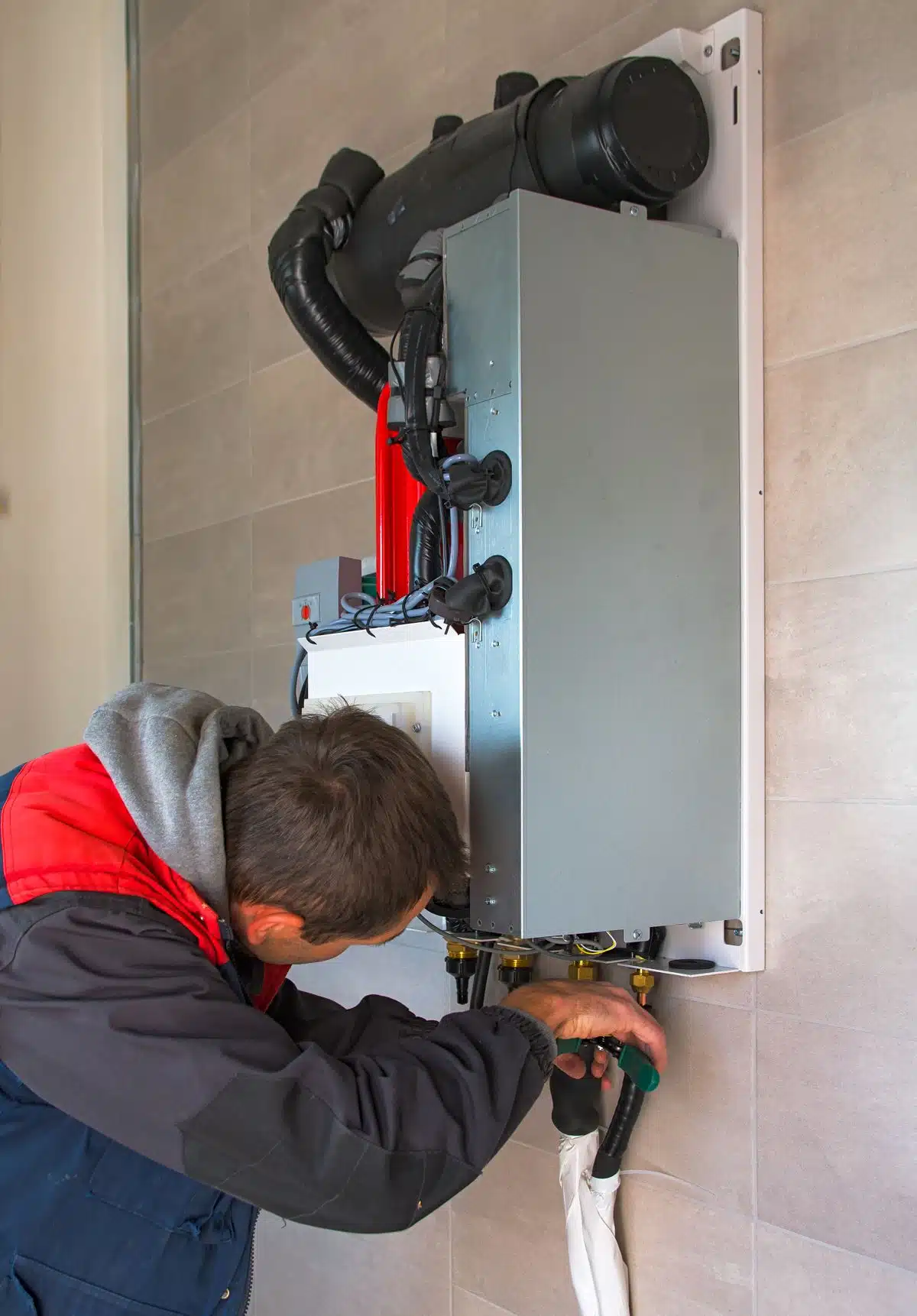
When your heat pump or HVAC system stops working properly, one of the first questions that comes to mind is: how much will it cost just to have someone take a look? Whether you’re dealing with strange noises, reduced airflow, or poor heating and cooling performance, knowing what to expect before calling a heat pump technician Bay Area can help you plan and avoid surprises.

Here’s a complete breakdown of what influences the cost of HVAC inspections, what services are typically included, and how to ensure you’re getting value from the visit — not just another bill.

Understanding HVAC Diagnostic Fees

Most heat pump repair companies Bay Area charge a diagnostic fee or service call fee when a technician visits your home to inspect your system. This fee generally ranges from $75 to $200, depending on the complexity of the issue, travel distance, and time spent diagnosing the problem.

This charge covers the technician’s expertise, transportation, and time spent troubleshooting your unit. It ensures you get a professional evaluation rather than a quick guess. Many heat pump companies Bay Area will credit the diagnostic fee toward the total cost of repairs if you decide to move forward with service, making the visit both informative and cost-effective.

Factors That Affect the Cost

Several factors can influence how much it costs for an HVAC technician to look at your unit:

  • Type of System – A simple air conditioner inspection may take less time than a dual-function heat pump or ductless system. Complex systems often require specialized diagnostic tools or tests.
  • Accessibility – If your unit is located in a tight crawl space, attic, or on a roof, additional labor or safety measures can increase the service cost.
  • Time of Year – During peak heating or cooling seasons, demand is higher, and some heat pump maintenance companies Bay Area may charge slightly more for urgent or after-hours calls.
  • System Age – Older units often require more detailed inspections, especially if replacement parts are hard to find or the system hasn’t been serviced recently.

While costs vary, scheduling preventative maintenance before problems arise can help you save money in the long run and prevent costly emergency visits.

What’s Included in an HVAC Service Visit?

When you call a heat pump technician Bay Area for an inspection, the visit typically includes a full system evaluation. This often involves:

  • Checking thermostat calibration and operation
  • Measuring airflow and temperature differentials
  • Inspecting filters, coils, and refrigerant levels
  • Testing electrical components and connections
  • Listening for unusual noises or vibrations
  • Reviewing overall system efficiency

This assessment helps identify whether your issue is minor—like a clogged filter—or more serious, such as a failing compressor or refrigerant leak. In many cases, small repairs or adjustments can be completed during the same visit.

When Inspection Turns Into Repair or Replacement

If your technician determines a repair is necessary, you’ll likely receive an itemized quote detailing labor and part costs. Typical heat pump repair Bay Area services may range from $150 for small fixes to several hundred dollars for more extensive repairs.

However, if your system is more than 10-15 years old, you may want to consider a heat pump replacement Bay Area. Newer systems are far more energy-efficient and can save you significantly on monthly utility bills.

Experienced heat pump replacement companies Bay Area can help you evaluate the long-term cost benefits of upgrading your system versus continuing to repair an outdated one.

Why Preventative Maintenance Saves Money

Routine maintenance is one of the best ways to reduce repair costs and avoid emergency service calls. Partnering with heat pump maintenance companies Bay Area ensures your system is checked regularly—typically twice per year—to catch small issues before they turn into expensive breakdowns.

Maintenance visits are usually much less expensive than emergency repairs and often include cleaning, performance checks, and safety tests. Some companies even offer discounted diagnostic rates or free inspections for customers enrolled in maintenance plans.

Getting Accurate Estimates and Transparent Pricing

Transparency is key when it comes to HVAC service costs. Before scheduling an appointment, ask your provider to explain their diagnostic fees, hourly labor rates, and any potential add-on charges.

Reputable heat pump companies Bay Area provide written estimates before performing work and keep customers informed throughout the process. This allows you to make confident decisions without worrying about hidden fees or unexpected markups.

Choosing the Right Technician for the Job

It’s not just about cost—it’s about quality and trust. When searching for a reliable heat pump technician Bay Area, make sure they are licensed, insured, and experienced in handling your type of system.

For help selecting a qualified professional, review How To Choose The Right Heat Pump Technician In The Bay Area. This guide explains what credentials to look for, how to verify licensing, and which questions to ask before scheduling service. Working with a reputable technician ensures your system receives expert care and accurate diagnostics the first time.

Knowing When to Schedule an Inspection

It’s best to schedule heat pump repair Bay Area appointments as soon as you notice unusual signs—such as reduced heating or cooling, strange noises, or higher utility bills. Don’t wait until your unit completely fails, as that often leads to higher costs and longer downtime.

For a deeper overview of repair and maintenance timing, visit the Guide To Heat Pump Services & Scheduling In The Bay Area. This resource outlines how regular maintenance intervals can help keep your system in peak condition year-round.

Value Beyond the Visit

The cost of having an HVAC technician look at your unit is more than just a fee—it’s an investment in your home’s comfort and energy efficiency. A skilled technician not only diagnoses the problem but also helps you understand how to prevent future issues.

Whether you need heat pump installation Bay Area for a new home, routine service from trusted heat pump repair companies Bay Area, or full HVAC heat pump repair Bay Area diagnostics, choosing an experienced and transparent provider will always pay off in the long run.

While inspection fees can vary, what truly matters is finding a dependable, qualified HVAC technician who values your comfort and time. A professional assessment today can prevent costly breakdowns tomorrow and extend the life of your system.

If you’re ready to book an inspection or need expert heat pump repair Bay Area, call 925-755-4440 or send a message through the website to schedule your service with Refreshed Heating & Cooling.

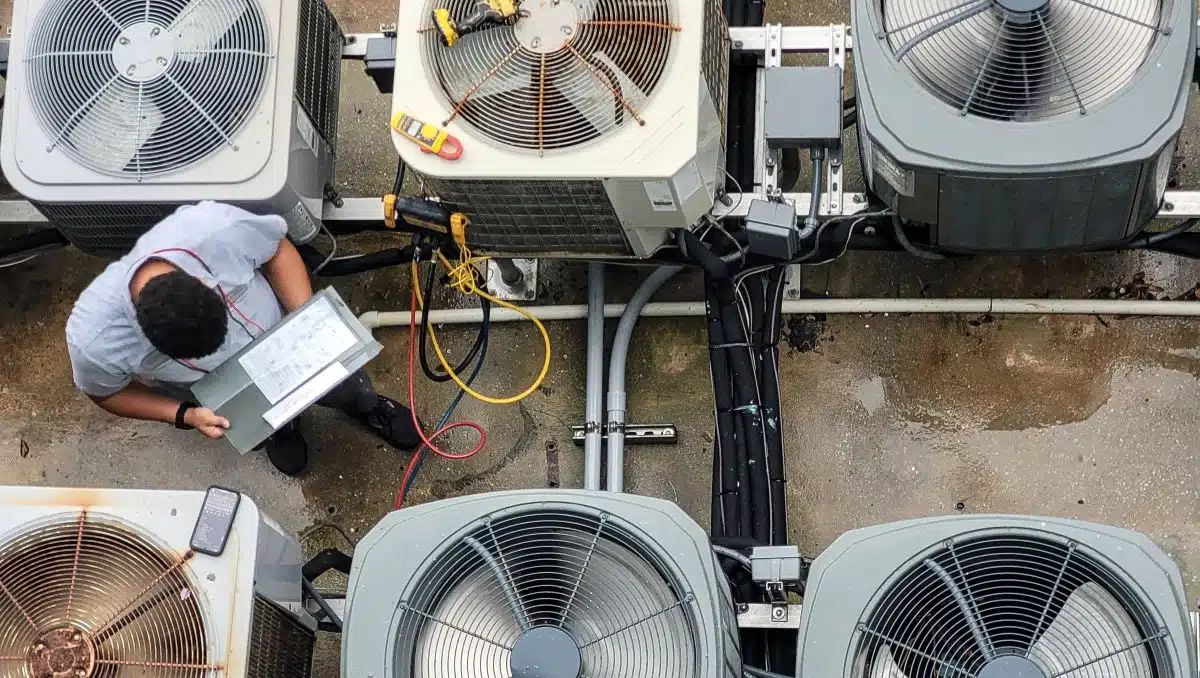
blades-of-an-industrial-fan-protected-by-a-grid.jpg

Finding a qualified HVAC technician can make the difference between a system that runs efficiently for years and one that constantly breaks down. Whether you’re dealing with a heat pump that won’t cool properly or you’re planning a new installation, choosing the right professional ensures your comfort, safety, and energy efficiency. For homeowners and businesses throughout the Bay Area, this guide breaks down what to look for in a dependable heat pump technician Bay Area and how to ensure your investment pays off long-term.

Understand What an HVAC Technician Does

An HVAC technician is responsible for installing, maintaining, and repairing heating, ventilation, and air-conditioning systems—including heat pumps. In the Bay Area, where the climate shifts from cool coastal breezes to warmer inland temperatures, a well-maintained heat pump provides both heating and cooling from a single system. Skilled heat pump companies Bay Area employ trained technicians who understand the unique needs of local homes and commercial spaces, from older construction to new energy-efficient buildings.

Before hiring, confirm that your technician specializes in HVAC heat pump repair Bay Area services. Heat pumps differ from traditional furnaces or AC systems, and technicians trained in this area are better equipped to handle diagnostics, refrigerant issues, and system optimization.

Verify Credentials and Licensing

The first step in finding a reliable HVAC technician is checking their credentials. A qualified technician should hold the proper state licensing and relevant certifications, such as EPA Section 608 for handling refrigerants. In California, contractors performing major HVAC work must be licensed through the Contractors State License Board (CSLB).

When evaluating heat pump repair companies Bay Area, ask about insurance and bonding. Proper coverage protects you if an accident or damage occurs during service. A professional company won’t hesitate to share documentation that verifies its legitimacy and commitment to safety.

Read Reviews and Ask for Local References

Online reviews are invaluable when searching for reputable heat pump maintenance companies Bay Area. Look for consistent patterns in customer feedback—timeliness, transparency, quality of work, and responsiveness. While one or two negative reviews can happen with any business, recurring issues like poor communication or repeated call-backs are red flags.

For added assurance, request references from nearby clients. A trustworthy HVAC provider should be able to connect you with past customers who can vouch for their professionalism and reliability.

Evaluate Experience with Your System Type

Not all technicians specialize in the same brands or types of heat pumps. When comparing heat pump replacement companies Bay Area, ask if they have experience with your particular system—whether it’s ductless, variable-speed, or geothermal. Familiarity with different models ensures more accurate repairs, efficient replacements, and precise diagnostics.

If your system is older, a seasoned technician can help determine whether heat pump replacement Bay Area services might be more cost-effective than repeated repairs. They’ll factor in your unit’s age, efficiency rating, and potential energy savings from upgrading to a newer model.

Ask About Maintenance and Scheduling

A reputable HVAC company doesn’t just repair systems—they also focus on prevention. Routine maintenance extends equipment lifespan, improves energy efficiency, and helps you avoid costly breakdowns.

Professional heat pump maintenance companies Bay Area typically offer service plans that include seasonal inspections, cleaning coils, checking refrigerant levels, and calibrating thermostats. Regular care ensures your heat pump operates smoothly year-round.

To make the process easy, many homeowners schedule heat pump repair Bay Area appointments during mild weather seasons—spring or fall—so any issues are fixed before extreme temperatures hit.

Compare Transparency and Pricing

While cost shouldn’t be the only factor, transparent pricing is essential. Ask for detailed estimates outlining labor, parts, and any diagnostic fees before agreeing to work. Be cautious of quotes that seem unusually low; they may indicate inexperience or corner-cutting.

Top-rated heat pump repair companies Bay Area provide upfront quotes and explain every step of the process, from inspection to final testing. Clear communication is a sign of professionalism and respect for your time and budget.

Look for Energy Efficiency Expertise

Energy efficiency is one of the biggest advantages of owning a heat pump. The right technician will understand how to fine-tune your system for maximum performance while minimizing energy consumption.

If you’re considering heat pump installation Bay Area, look for a contractor who can evaluate your home’s insulation, ductwork, and thermostat settings to recommend the most efficient setup. This holistic approach ensures your system runs at peak efficiency, lowering your utility bills and reducing your carbon footprint.

Explore Local Resources and Guides

Before making your decision, review local guides and resources that help homeowners make informed choices. For example, Refreshed Heating & Cooling offers a helpful overview on How To Choose The Right Heat Pump Technician In The Bay Area. This guide details qualifications, certifications, and questions to ask before hiring an HVAC professional.

You can also refer to their Guide To Heat Pump Services & Scheduling In The Bay Area for a deeper understanding of service options, maintenance timelines, and how proper scheduling can improve system reliability.

Prioritize Communication and Customer Support

When contacting heat pump companies Bay Area, pay attention to how they communicate from the very beginning. Do they return calls promptly? Do they take time to answer your questions clearly? Good communication reflects a company’s overall professionalism and customer care.

Reputable HVAC teams will explain what to expect during service visits, how long repairs might take, and what signs to watch for between appointments. They’ll also document any completed maintenance so you can track the health of your system over time.

Choosing a skilled heat pump technician Bay Area is one of the smartest investments you can make for your home’s comfort and efficiency. Look for certified professionals, strong local reputations, transparent pricing, and a commitment to preventative care. By partnering with trusted heat pump companies Bay Area, you can ensure your system runs smoothly through every season.

If you’re ready to improve your home comfort or need expert HVAC heat pump repair Bay Area, call 925-755-4440 or send a message through the website to schedule service with Refreshed Heating & Cooling.


mini-split-isolated-e1761338562619.jpg

Choosing the right professional for your heat pump installation in the Bay Area is one of the most important steps in ensuring your system performs efficiently, lasts for years, and keeps your energy bills under control. A high-quality heat pump can be a great investment for year-round comfort—but only if it’s installed correctly by a knowledgeable and experienced professional.

If you’re unsure where to start, here’s a step-by-step guide to help you find the best heat pump technician Bay Area homeowners can rely on, along with what to look for in terms of licensing, service quality, and long-term support.

Verify Licensing and Credentials

The first step when choosing a heat pump installer is confirming that they are properly licensed and insured. In California, HVAC professionals are required to hold a license through the Contractors State License Board (CSLB). This ensures they meet state standards for training, safety, and ethical practices.

Ask potential installers for their license number and verify it online. Additionally, check whether they hold certifications from organizations like NATE (North American Technician Excellence), which indicate advanced knowledge of HVAC heat pump repair Bay Area systems and installation procedures.

Working with licensed and certified professionals gives you confidence that your installation meets all safety and performance standards.

Look for Local Experience

Heat pump systems can vary widely based on home size, climate, and layout. That’s why local experience matters. Choose from established heat pump companies Bay Area homeowners trust—professionals who understand the unique needs of homes in this region, including coastal humidity and seasonal temperature changes.

An installer familiar with Bay Area conditions will ensure your system is properly sized and configured for optimal efficiency. They’ll also know how to navigate local codes, permits, and inspection requirements.

To get a sense of which providers have a proven track record, check out Top Heat Pump Repair & Replacement Companies In The Bay Area. This resource highlights reputable contractors known for quality work and customer satisfaction.

Read Reviews and Ask for References

Online reviews are a helpful starting point when evaluating heat pump repair companies Bay Area residents recommend. Look for consistent feedback regarding professionalism, timeliness, clear communication, and quality of service.

Don’t hesitate to ask installers for references from past clients. Speaking with other homeowners gives you an honest perspective about what to expect. Ask how well the installation went, whether the system performs efficiently, and if the company provided follow-up support or maintenance guidance.

A company that’s proud of its reputation will gladly connect you with happy customers.

Compare Estimates and Services

It’s always wise to get at least three quotes before making a decision. When comparing heat pump replacement companies Bay Area options, don’t just focus on price—compare what’s included in the proposal.

A reliable installer should provide a detailed estimate that breaks down equipment costs, labor, permits, and warranty information. Beware of quotes that seem unusually low or vague. They might exclude important services like system testing or post-installation inspections.

A quality company will take the time to explain each line item and answer your questions transparently.

Evaluate Communication and Professionalism

Good communication is a sign of good business. The best heat pump maintenance companies Bay Area homeowners work with make it easy to understand the installation process from start to finish.

During your consultation, take note of how the company communicates. Do they listen to your concerns? Do they explain options clearly? Do they provide timelines and follow through promptly?

A professional team will respect your home, your time, and your investment. They’ll also provide documentation, contracts, and warranties in writing so you’re protected.

Check Warranty and Maintenance Options

A new heat pump is a long-term investment, so it’s important to understand the warranty coverage. Ask the installer what kind of manufacturer and labor warranties are included.

Many heat pump companies Bay Area residents hire also offer ongoing maintenance plans. Regular servicing keeps your system in peak condition and prevents future issues. When needed, you can easily schedule heat pump repair Bay Area homeowners rely on for quick, reliable service.

If you’re new to owning a heat pump, reading the Guide To Heat Pump Services & Scheduling In The Bay Area can help you understand how to manage maintenance, seasonal tune-ups, and service scheduling effectively.

Ask About Energy Efficiency and System Types
Not all heat pumps are created equal. A knowledgeable heat pump technician Bay Area homeowners trust will help you select a system that fits your home’s energy needs and budget.

Ask about efficiency ratings like SEER (Seasonal Energy Efficiency Ratio) and HSPF (Heating Seasonal Performance Factor). Higher ratings typically mean better performance and lower long-term costs.

An experienced installer should explain the difference between standard air-source systems, ductless mini-splits, and geothermal heat pumps—and help you decide which option makes sense for your property.

Look for Full-Service Providers

While some contractors focus only on installation, others offer complete solutions, including repair and replacement. Choosing a full-service provider simplifies things down the road—especially if you need heat pump repair Bay Area services or future upgrades.

Full-service providers understand your system’s history, making it easier to troubleshoot issues, perform tune-ups, and recommend the right heat pump replacement Bay Area homeowners can depend on when the time comes.

Red Flags to Watch Out For

Avoid companies that:

  • Refuse to provide written estimates or contracts.
  • Lack proper licensing or insurance.
  • Use high-pressure sales tactics or push unnecessary add-ons.
  • Are vague about warranties or system details.

A reputable installer will prioritize transparency and professionalism from the very first conversation.

Finding the right heat pump installation Bay Area professional doesn’t have to be stressful. Focus on credentials, communication, and long-term service support. A trustworthy installer ensures your system is properly sized, installed, and maintained for years of efficient comfort.

When you partner with experienced professionals, you’ll not only enjoy reliable heating and cooling but also peace of mind knowing your system is in expert hands.

For dependable service from trusted local experts, call 925-755-4440 or send a message through the website today.


two-residential-modern-heat-pumps-e1761337521440.jpg

When your home’s heat pump starts struggling to keep up with your heating and cooling needs, it’s natural to wonder whether it’s time for a replacement—and how much that will actually cost. In the Bay Area, heat pump systems are increasingly popular for their energy efficiency and year-round comfort. However, replacement costs can vary widely depending on the unit size, installation complexity, and the heat pump companies Bay Area homeowners choose to work with.

If you’re planning for a heat pump replacement Bay Area project, this guide will help you understand what factors influence cost, what’s included in a quality installation, and how to find a trustworthy provider to ensure your investment pays off for years to come.

Average Cost of Heat Pump Replacement in the Bay Area

On average, homeowners in the Bay Area can expect to pay between $5,000 and $12,000 for a full heat pump replacement. Smaller systems or simple replacements may fall closer to the lower end of that range, while larger or high-efficiency systems—especially those requiring ductwork or electrical upgrades—can push the total higher.

Here’s a general breakdown:

  • Equipment (heat pump unit): $3,000–$7,000
  • Labor and installation: $1,500–$4,000
  • Permits, parts, and materials: $500–$1,000

These numbers can fluctuate depending on your home’s layout, the system type, and the brand you choose. Local labor rates and permit fees in the Bay Area may also affect the final cost.

What Affects the Cost of Heat Pump Replacement

Not all heat pump replacement companies Bay Area homeowners contact will quote the same price—and for good reason. A few key variables influence overall cost:

System Size and Capacity

Your heat pump must be properly sized for your home’s square footage and insulation. An oversized or undersized system can lead to inefficiency and premature wear. A professional heat pump technician Bay Area homeowners trust will perform a load calculation before recommending equipment.

Type of Heat Pump

There are several system types:

  • Air-source heat pumps (most common)
  • Ductless mini-splits (ideal for additions or small homes)
  • Geothermal systems (highly efficient but expensive to install)

Each has a different cost range, with geothermal options running on the higher end.

Efficiency Rating

Systems with higher SEER (Seasonal Energy Efficiency Ratio) or HSPF (Heating Seasonal Performance Factor) ratings cost more upfront but save more in the long run.

Ductwork and Electrical Needs

If your existing ducts are leaky or outdated, your installer may recommend sealing or replacing them to optimize performance. In some cases, electrical panels may need upgrades to handle modern systems.

Brand and Warranty

Top-tier brands or extended warranties often increase initial cost but can offer better long-term protection.

When Is It Time to Replace Your Heat Pump?

Before replacing, it’s wise to have your system inspected by professionals who specialize in HVAC heat pump repair Bay Area services. In many cases, minor issues can be fixed affordably.

However, replacement may be necessary if:

  • Your heat pump is 10–15 years old and showing its age.
  • Repair costs exceed half the price of a new unit.
  • Energy bills have steadily increased despite regular maintenance.
  • Your system struggles to heat or cool evenly.

If you’re unsure whether you need repair or replacement, consult trusted heat pump repair companies Bay Area homeowners rely on for honest recommendations.

What’s Included in a Professional Replacement

A proper heat pump installation Bay Area homeowners can depend on should include:

  • Removal and disposal of the old unit.
  • Installation of the new indoor and outdoor components.
  • Connection of refrigerant lines and wiring.
  • System testing and calibration.
  • Thermostat setup and homeowner orientation.

Many heat pump maintenance companies Bay Area residents work with also provide follow-up visits after installation to ensure the system is running efficiently.

To explore reputable options, visit Top Heat Pump Repair & Replacement Companies In The Bay Area for a detailed overview of trusted providers who handle every stage from installation to maintenance.

How to Budget and Save on Replacement

Replacing a heat pump is a significant investment, but there are smart ways to manage the cost:

  • Look for rebates and incentives: The Bay Area and California utilities often offer rebates for energy-efficient systems.
  • Ask about financing: Many heat pump companies Bay Area residents choose offer payment plans.
  • Schedule during off-peak seasons: Spring and fall are often less busy for HVAC technicians, which can lead to shorter wait times and potential savings.
  • Bundle maintenance: Ask if the installer offers annual service plans that include discounted heat pump repair Bay Area services.

Choosing the Right Installer

Even the best equipment won’t perform well if it’s installed incorrectly. Selecting the right heat pump replacement companies Bay Area homeowners can trust is key to maximizing comfort and efficiency.

When evaluating installers:

  • Verify licensing and insurance.
  • Check reviews and local references.
  • Request detailed, written estimates.
  • Ask about warranties on both parts and labor.

It’s also worth exploring educational resources like Guide To Heat Pump Services & Scheduling In The Bay Area, which outlines how to coordinate installation and ongoing service effectively.

Maintaining Your New Heat Pump

Once your new system is installed, consistent maintenance ensures long-term performance. Partnering with reliable heat pump maintenance companies Bay Area homeowners trust will help prevent future breakdowns and maintain energy efficiency.

Typical maintenance tasks include:

  • Cleaning or replacing air filters.
  • Checking refrigerant levels.
  • Inspecting electrical connections.
  • Testing thermostat operation.

If your new system ever needs attention, be sure to schedule heat pump repair Bay Area residents rely on to keep things running smoothly.

A heat pump replacement Bay Area homeowners invest in should provide comfort, efficiency, and peace of mind for years to come. While prices can vary, working with a trusted installer ensures the job is done right from the start. Always balance upfront cost with long-term reliability and ongoing support.

For expert installation, maintenance, or repair, call 925-755-4440 or send a message through the website to connect with a local specialist today.


heat-pump-on-the-roof-e1761336424472.jpg

Finding a qualified, reliable professional for your heat pump installation in the Bay Area can make all the difference in how efficiently your system runs and how long it lasts. Whether you’re replacing an older unit or installing a new one for the first time, the right heat pump technician Bay Area residents can trust should offer more than just technical know-how — they should bring transparency, certification, and a solid reputation for dependable service.

Below, we’ll walk through the key steps for identifying a good installer, what red flags to avoid, and why your choice matters for long-term energy savings.

Look for Licensed and Certified Professionals

When searching for heat pump companies Bay Area homeowners can count on, start with credentials. California requires HVAC professionals to hold proper licensing through the Contractors State License Board (CSLB). A licensed technician has been vetted for training, insurance, and compliance with state standards.

Additionally, consider installers certified by recognized organizations such as North American Technician Excellence (NATE) or the Air Conditioning Contractors of America (ACCA). These certifications demonstrate technical proficiency in HVAC heat pump repair Bay Area systems and advanced installation methods.

Before moving forward, ask your installer for their license number and verify it online. A reputable professional will have no hesitation providing it.

Research Local Experience

Every home in the Bay Area has unique environmental conditions — from coastal humidity to inland temperature swings. That means experience with heat pump installation Bay Area-specific systems is crucial.

Look for companies that not only install but also handle heat pump repair Bay Area services. Installers who also perform maintenance and repairs tend to understand the full lifecycle of the equipment they install. This ensures your new system is set up correctly the first time and performs efficiently year-round.

You can also check out this helpful resource: Top Heat Pump Repair & Replacement Companies In The Bay Area to see which companies have earned strong local reputations for professionalism, skill, and reliability.

Check Reviews and References

Online reviews can reveal a lot about how an installer operates. Look for consistent positive feedback about punctuality, professionalism, and post-installation support. Pay attention to how the company responds to less favorable reviews — this often shows how they handle customer service when things don’t go perfectly.

For added peace of mind, ask the installer for references from past customers in your area. Speaking directly with other homeowners can give you valuable insight into whether the installer delivers on their promises.

Compare Quotes — But Look Beyond Price

When comparing heat pump replacement companies Bay Area homeowners often make the mistake of focusing only on the lowest price. While cost matters, the cheapest quote isn’t always the best deal. A quality installation directly impacts how well your heat pump performs and how long it lasts — meaning you could pay more later for repairs or higher utility bills if it’s not done correctly.

Request detailed, itemized quotes from at least three companies. This breakdown should include equipment costs, labor, warranties, and any optional maintenance packages. Transparent pricing and clear communication are good signs you’re dealing with an honest professional.

Ask About Maintenance and Warranties

A quality installer will always discuss long-term care for your system. Partnering with reputable heat pump maintenance companies Bay Area homeowners trust can help extend your system’s lifespan and keep it running efficiently.

Ask potential installers what kind of warranty they provide for both equipment and labor. Some heat pump replacement Bay Area specialists also offer maintenance programs that include seasonal tune-ups, which can be a smart investment.

Routine maintenance helps prevent small issues from turning into costly repairs and ensures your system continues to operate at peak efficiency. If your system ever needs attention, make sure you know how to schedule heat pump repair Bay Area homeowners rely on for fast, reliable service.

Evaluate Communication and Professionalism

A trustworthy heat pump technician Bay Area homeowners feel comfortable with should communicate clearly and respectfully throughout the process. From the initial consultation to post-installation support, good communication is key.

Pay attention to how quickly they respond to inquiries, how thoroughly they answer your questions, and whether they take time to explain technical details in plain language. Professionalism in communication often reflects professionalism in workmanship.

Look for Comprehensive Services

Some heat pump companies Bay Area residents hire specialize only in installation, while others provide full-service solutions — including heat pump repair, replacement, and maintenance. Choosing a full-service provider can simplify your long-term care plan.

With a team that handles everything from HVAC heat pump repair Bay Area to replacements and new installs, you’ll have consistent support from the same trusted experts over the lifespan of your system.

For a deeper look into the full range of services and how to plan them efficiently, check out this helpful article: Guide To Heat Pump Services & Scheduling In The Bay Area.

Red Flags to Avoid

When narrowing your options, keep an eye out for these warning signs:

  • Installers who refuse to provide written estimates or contracts.
  • Lack of proper licensing or insurance.
  • Vague answers about warranties or equipment brands.
  • Pressure tactics to make quick decisions or upsell unnecessary add-ons.

Reliable professionals will prioritize transparency, documentation, and clear communication from the start.

Why Choosing the Right Installer Matters

A properly installed heat pump isn’t just about comfort — it’s about efficiency and cost savings. A qualified installer ensures your system is correctly sized, connected, and calibrated for optimal performance.

When done right, your heat pump can deliver significant energy savings, better indoor air quality, and consistent heating and cooling year-round. But poor installation can lead to inefficiencies, frequent breakdowns, and premature replacement costs.

That’s why investing time upfront to find a skilled and reputable installer is well worth it.

Finding a good heat pump installer in the Bay Area comes down to balancing experience, transparency, and trust. Verify credentials, compare detailed quotes, and choose a team that communicates clearly and supports your system long after installation.

If you’re ready to upgrade your comfort and efficiency, don’t wait — call 925-755-4440 or send a message through the website to connect with a trusted local expert today.


heat-pump-and-solar-collector-on-the-roof-e1756843601253.jpg

If you’re considering adding a heat pump heater or heat pump air conditioner to your home, one question may be top of mind: How noisy are heat pumps? Because these systems run year-round to provide both heating and cooling, homeowners often wonder how much sound they’ll produce compared to traditional HVAC equipment.

The good news is that modern heat pumps are designed with quieter operation in mind. Still, like any mechanical system, they generate some level of noise. Understanding what’s normal—and what isn’t—can help you make informed decisions about heat pump installation, maintenance, and when it’s time to search for “heat pump repair near me.”

Typical Noise Levels of Heat Pumps

Most heat pump AC units and AC heat pumps produce between 40 to 60 decibels of sound during operation. For comparison:

  • 40 dB is about the noise level of a quiet library.
  • 60 dB is closer to normal conversational volume.

This means that while you will hear a heat pump for cooling or heating when it’s running, it shouldn’t be disruptive or overwhelming in a residential setting. The outdoor unit, which houses the fan and compressor, will typically generate more noticeable noise than the indoor unit.

What Causes Heat Pump Noise?

Several components inside your heat pump and air conditioner contribute to sound production:

  • Compressor – This is the heart of the system, responsible for circulating refrigerant. Compressors hum or buzz during operation, but modern models are much quieter than older ones.
  • Fans – Both indoor and outdoor fans move air across coils. A steady whooshing or whirring is normal, though rattling may indicate a loose blade or debris.
  • Reversing Valve – This part allows the system to switch between heating and cooling. A noticeable “swish” or “click” when changing modes is typical.
  • Defrost Cycle – In colder weather, a heat pump may enter defrost mode, producing sounds like swooshing or gurgling. These are generally harmless.

When Noise Becomes a Problem

While some sound is expected, excessive or unusual noises can signal trouble. Watch for:

  • Grinding or Screeching – May indicate motor bearing issues.
  • Banging or Clanking – Could mean a loose or broken component.
  • Hissing – May point to refrigerant leaks.
  • Constant Loud Operation – Suggests a struggling system, possibly requiring service.

If you notice these signs, it may be time to schedule professional heat pump services to diagnose and fix the issue before it escalates.

Factors That Influence Noise Levels

Not every heat pump runs at the same volume. Noise can vary based on:

  • System Age – Older units tend to be louder due to wear and outdated design.
  • Installation Quality – Improper heat pump installation can cause vibration or poor airflow, increasing noise.
  • Location of the Unit – Outdoor units placed near windows or bedrooms may be more noticeable.
  • Maintenance Habits – A dirty or poorly maintained heat pump AC unit will strain harder, often making more noise.

This is why regular servicing is key. A clean, well-tuned system operates not only more efficiently but also more quietly.

How Heat Pump Services Reduce Noise

Routine maintenance goes beyond efficiency and reliability—it also helps control sound. During a service visit, technicians will:

  • Clean and lubricate moving parts.
  • Tighten loose components that may rattle.
  • Inspect fan blades for alignment.
  • Check refrigerant levels to reduce strain on the compressor.
  • Ensure the system is securely mounted to minimize vibrations.

By keeping your heat pump heater and heat pump air conditioner in top shape, you’ll enjoy quieter operation and longer-lasting performance.

Comprehensive Guide To Heat Pump Services In Concord & San Ramon

Homeowners in the Bay Area know how important year-round comfort is. Whether you’re planning a new AC heat pump installation, need maintenance, or want to address unusual noises, having a reliable guide makes all the difference.

For a detailed breakdown of maintenance, servicing, and troubleshooting, take a look at this Comprehensive Guide To Heat Pump Services In Concord & San Ramon. It’s an excellent resource to help you understand how to keep your system running quietly and efficiently.

Tips for Quieter Heat Pump Operation

If you’re sensitive to noise, here are a few steps to minimize sound from your system:

  • Choose the right location – Place the outdoor unit away from windows or outdoor living spaces.
  • Install a sound blanket – Specially designed compressor covers can reduce operating noise.
  • Keep the area clear – Trim plants and remove debris around the outdoor unit for smoother airflow.
  • Schedule regular service – Preventive care helps avoid loud, disruptive breakdowns.

Final Thoughts

So, how noisy are heat pumps? While you will hear them running, the sound is typically no louder than background household noise. With proper installation, maintenance, and care, your heat pump for cooling and heating should provide comfort without causing a disturbance.

If your system seems louder than it should be—or if you’re ready to schedule a service to keep it running quietly—call 925-755-4440 today or send a message through our website. Our team is ready to provide the expert care your home deserves.


heat-pump-of-air-water-technology-for-the-home-1-e1756842703468.jpg

Heat pumps are one of the most versatile and efficient systems for keeping a home comfortable year-round. Acting as both a heat pump heater in the winter and a heat pump air conditioner in the summer, they offer homeowners an all-in-one solution. But like any HVAC system, heat pumps require regular servicing to run smoothly and last for years.

If you’ve ever scheduled maintenance but wondered what exactly happens during a service appointment, you’re not alone. Understanding what technicians check and adjust during heat pump services can give you peace of mind that your system is being properly cared for.

Why Heat Pump Maintenance Matters

Routine servicing does more than just prevent unexpected breakdowns. It ensures your AC heat pump is running at peak efficiency, saving you money on energy bills and extending the lifespan of the unit. Regular service also reduces the likelihood of emergency calls for “heat pump repair near me” when the system fails unexpectedly.

Since a heat pump and air conditioner combine heating and cooling functions in one unit, they work harder than a standard system. This makes maintenance even more essential.

What’s Included in Heat Pump Services?

When a technician arrives to service your heat pump, they perform a detailed inspection and tune-up. Here’s what typically happens during a professional service appointment:

Inspecting and Cleaning Coils

Both the indoor and outdoor coils collect dirt and debris over time. Dirty coils force your heat pump AC unit to work harder, reducing efficiency. A technician will carefully clean these coils to restore proper airflow and performance.

Checking Refrigerant Levels

Refrigerant is crucial for both heating and cooling. If levels are low, your heat pump for cooling won’t operate efficiently, and your heat pump heater may struggle in the winter. The technician will test levels and check for leaks if necessary.

Testing Electrical Components

A heat pump installation involves many electrical connections, from capacitors to relays. Over time, these components can wear out or loosen. During a service, each connection is inspected, tightened, and tested to prevent failures.

Calibrating the Thermostat

If your thermostat isn’t reading temperatures correctly, your system won’t maintain comfort efficiently. Technicians calibrate the thermostat to ensure it communicates properly with the heat pump.

Lubricating Moving Parts

Motors and fans have moving parts that require lubrication. Without it, friction increases wear and can lead to breakdowns. A professional ensures everything moves smoothly.

Checking Airflow and Ductwork

Poor airflow reduces efficiency and can put extra strain on your system. During servicing, airflow is measured, and ducts are checked for leaks or blockages.

Inspecting the Reversing Valve

One of the unique features of a heat pump is its ability to switch between heating and cooling. This is made possible by the reversing valve. Technicians check this part to make sure it’s functioning properly.

Cleaning and Replacing Filters

Dirty filters block airflow and make your heat pump AC unit work harder. Most technicians will replace the filter during service or remind homeowners to change it regularly.

Running System Diagnostics

Finally, the technician will run a full diagnostic test, ensuring the system cycles correctly, responds to thermostat adjustments, and delivers consistent comfort.

Benefits of Professional Heat Pump Services

Servicing a heat pump isn’t just about maintenance—it’s about protecting your investment. Here are the key benefits:

  • Improved efficiency – A well-maintained AC heat pump uses less energy.
  • Extended lifespan – Regular care prevents premature breakdowns.
  • Better comfort – A tuned system provides even heating and cooling.
  • Fewer repairs – Technicians catch small problems before they turn into expensive ones.
  • Peace of mind – Knowing your heat pump and air conditioner are reliable reduces stress during extreme weather.

Comprehensive Guide To Heat Pump Services In Concord & San Ramon

If you’re located in the Bay Area, professional care is essential to keep your system working year-round. Whether you need routine maintenance, a new heat pump installation, or repairs, it helps to understand what to expect and how to get the best results.

For more details on every aspect of servicing, check out this Comprehensive Guide To Heat Pump Services In Concord & San Ramon. This resource offers helpful insights for homeowners who want to make informed decisions about their heating and cooling systems.

How Often Should Heat Pumps Be Serviced?

Experts recommend servicing your heat pump at least twice a year: once in the spring before cooling season and again in the fall before heating season. Because a heat pump operates year-round, it requires more frequent care than a traditional furnace or air conditioner.

Regular checkups not only prevent breakdowns but also ensure your heat pump for cooling and heating runs efficiently during the times you need it most.

Repair vs. Replacement Considerations

Sometimes, servicing reveals that your system is nearing the end of its lifespan. In general:

  • If your unit is under 10 years old and the repair is minor, fixing it is usually best.
  • If your system is over 12–15 years old and facing major repairs, replacement may be the smarter option.

A professional technician can help guide you toward the most cost-effective choice.

When you schedule professional heat pump services, you’re investing in comfort, efficiency, and reliability. From cleaning coils to checking refrigerant and testing electrical systems, every step is designed to keep your heat pump heater and heat pump air conditioner running at their best.

If your system is due for maintenance, don’t wait for problems to appear. Call 925-755-4440 today or send a message through our website to schedule expert service and keep your home comfortable year-round.


high-efficiency-hvac-outdoor-unit-e1756841804538.jpg

When it comes to keeping your home comfortable throughout the year, few systems are as versatile as heat pumps. Acting as both a heat pump heater in the winter and a heat pump air conditioner in the summer, they provide an efficient all-in-one solution. If you’re considering a new system or already own one, a common question arises: What’s the average lifespan of a heat pump?

The answer depends on several factors, including the quality of the system, how well it’s maintained, and the climate where it operates. Understanding the typical lifespan of heat pumps can help homeowners plan for heat pump installation, maintenance, and eventual replacement.

Average Lifespan of Heat Pumps

On average, most heat pumps last between 12 to 15 years. With proper care and regular heat pump services, some can last up to 20 years. However, harsh climates, lack of routine maintenance, or incorrect installation can shorten that lifespan.

For example:

  • Heat pump AC units in milder climates may experience less wear and tear, often lasting longer.
  • Systems in areas with extremely hot summers or freezing winters may need to work harder, reducing their longevity.

By scheduling routine maintenance and repairs, you can extend the lifespan of your AC heat pump and ensure it operates efficiently year after year.

Signs Your Heat Pump Is Nearing the End of Its Lifespan

While it may be tempting to hold onto your system for as long as possible, there are some clear indicators that it’s time to think about replacement:

  • Frequent Repairs – If you find yourself searching for “heat pump repair near me” more often than you’d like, it may be more cost-effective to replace your system.
  • Rising Energy Bills – Older systems become less efficient over time, which can cause utility costs to climb.
  • Uneven Heating or Cooling – A struggling heat pump for cooling may leave some rooms too warm in the summer, while a failing heat pump heater might leave others too cold in the winter.
  • Strange Noises or Odors – Grinding, squealing, or burning smells are all red flags.
  • Age of the Unit – If your unit is more than 15 years old, even if it’s still running, it may be nearing the end of its efficient life cycle.

How to Maximize the Lifespan of Your Heat Pump

The good news is that there are steps homeowners can take to get the most out of their systems:

  • Schedule Regular Maintenance – Routine heat pump services are the key to keeping your system running efficiently. Professional tune-ups help identify small issues before they turn into costly repairs.
  • Change Filters Frequently – A clogged filter reduces airflow and forces the system to work harder.
  • Keep Outdoor Units Clear – Ensure that the outdoor portion of your heat pump AC unit is free of debris, leaves, or snow buildup.
  • Don’t Ignore Repairs – If your system isn’t performing properly, address the issue quickly to avoid long-term damage.

By following these simple steps, you can extend the lifespan of your heat pump and air conditioner while keeping your home comfortable year-round.

Comprehensive Guide To Heat Pump Services In Concord & San Ramon

If you live in the Bay Area, maintaining your system is even more important given the seasonal temperature changes. Whether you need heat pump installation, maintenance, or repair, choosing a trusted local HVAC company makes all the difference.

For a detailed breakdown of everything from installation to tune-ups and troubleshooting, check out this Comprehensive Guide To Heat Pump Services In Concord & San Ramon. It’s a valuable resource for homeowners who want to better understand how to protect their investment and ensure reliable comfort throughout the year.

Repair vs. Replacement: Making the Right Choice
When a system starts failing, many homeowners face the decision of whether to repair or replace. A general rule of thumb is this:

  • If your heat pump AC unit is under 10 years old and the repair is minor, fixing it makes sense.
  • If your unit is older than 12 to 15 years and requires major repairs, replacement is often the smarter long-term solution.

While a new system requires an upfront investment, the benefits include improved energy efficiency, lower utility bills, and more consistent comfort.

Heat Pump Lifespan FAQs

  • Can a heat pump last 20 years?
    Yes, but only with regular heat pump services, proper installation, and consistent maintenance.
  • Does climate affect heat pump lifespan?
    Systems in milder climates usually last longer than those exposed to extreme heat or cold.
  • How often should I schedule maintenance?
    At least twice a year—once before summer and once before winter.
  • What’s the biggest factor in longevity?
    Professional heat pump installation and ongoing care are the two most important elements.

Final Thoughts

The average lifespan of a heat pump is about 12–15 years, though with diligent care, you may get closer to 20. Whether your system is brand new or approaching retirement, regular maintenance and timely repairs are the best ways to protect your investment.

If you’re ready to schedule a service, explore your options, or find out whether repair or replacement is right for you, call 925-755-4440 or send a message through our website today.


sleek-air-source-heat-pump-e1755897423834.jpg

When summer temperatures rise, homeowners often wonder if a heat pump can keep their home cool as effectively as a traditional air conditioner. Heat pumps are known for their ability to both heat and cool, but many people still question whether a heat pump for cooling is a reliable and efficient option. The short answer is yes—heat pumps can be excellent for cooling, and they often provide added benefits compared to a standard cooling system.

In this blog, we’ll take a closer look at how heat pumps work, why they’re effective for cooling, and what to consider if you’re thinking about installing one in your home.

How Do Heat Pumps Work?

Unlike a traditional furnace or air conditioner that creates hot or cold air, heat pumps move heat from one place to another. During summer, the system acts as a heat pump air conditioner, pulling warm air out of your home and transferring it outside. This process leaves the air inside cooler and more comfortable.

When temperatures drop, the system reverses the process. Acting as a heat pump heater, it draws heat from the outdoor air and transfers it inside to warm your home. That’s why homeowners often choose a heat pump and air conditioner combination: it provides year-round comfort in a single unit.

Why a Heat Pump is Effective for Cooling

There are several reasons why a heat pump ac unit is a smart choice for cooling:

  • Energy Efficiency – Heat pumps are highly efficient because they transfer heat rather than generate it. This often results in lower energy bills compared to traditional systems.
  • Consistent Comfort – A properly installed ac heat pump provides even cooling throughout your home, avoiding hot and cold spots.
  • Quiet Operation – Many modern heat pumps are quieter than older air conditioners, contributing to a more peaceful home environment.
  • Environmental Benefits – Because they use less energy, heat pumps produce fewer emissions, making them a more eco-friendly option.

Comparing a Heat Pump to a Standard Air Conditioner

A common question is whether a heat pump can cool as effectively as a standalone air conditioner. In most cases, the answer is yes. A heat pump for cooling uses the same refrigeration cycle that an air conditioner does, meaning its cooling performance is virtually identical.

The main difference is versatility. While an air conditioner only cools, a heat pump can both heat and cool. This makes it especially appealing in regions with mild winters, like Concord and San Ramon, where a heat pump can handle both seasonal demands.

Heat Pump Cooling & Heating Solutions in Concord & San Ramon

If you’re considering a heat pump, it’s important to choose a system designed for your home’s needs. At Refreshed Heating & Cooling, we provide professional Heat Pump Cooling & Heating Solutions For Concord & San Ramon. Whether you need a new installation or help maintaining your existing system, our experienced team can guide you to the right choice.

For more detailed information on what to expect, take a look at our Comprehensive Guide To Heat Pump Services In Concord & San Ramon. It covers everything from installation to maintenance and repair, helping you make confident decisions about your home comfort.

Factors to Consider Before Choosing a Heat Pump for Cooling

While heat pumps are excellent for cooling, a few factors can influence their performance:

  • Climate – Heat pumps work well in mild to moderate climates. While they are effective in most regions, very extreme heat may require additional support from a secondary cooling system.
  • System Size – Choosing the right size heat pump ac unit is critical. A system that’s too small will struggle to cool effectively, while an oversized unit may cycle on and off too often.
  • Installation Quality – Professional heat pump installation ensures maximum efficiency and performance. Poor installation can lead to higher energy costs and reduced comfort.
  • Maintenance Needs – Like any HVAC system, heat pumps require regular tune-ups. Searching for “heat pump repair near me” can help you find local experts to keep your system running smoothly.

Extending the Life of Your Heat Pump

Once you have a heat pump in place, protecting your investment is key. Here are a few maintenance tips:

  • Schedule annual inspections with a professional technician.
  • Replace air filters every 1–3 months to maintain airflow.
  • Keep the outdoor unit free of leaves, dirt, and debris.
  • Pay attention to unusual noises or performance issues and schedule service promptly.

Routine Heat Pump Services can help your system last longer and perform better, ensuring it continues to deliver reliable cooling year after year.

Final Thoughts

So, is a heat pump good for cooling? Absolutely. A heat pump air conditioner provides the same level of comfort as a traditional AC, with the added advantage of heating your home when winter arrives. Energy efficiency, versatility, and consistent performance make heat pumps an excellent choice for homeowners who want year-round comfort in a single system.

If you’re considering upgrading to a heat pump or need service on your current system, Refreshed Heating & Cooling is here to help. Call 925-755-4440 today or send us a message through our website to schedule an appointment.


air-source-heat-pump-installed-e1755896666663.jpg

When your heat pump starts showing signs of trouble, one of the first questions homeowners ask is whether it’s better to repair the system or replace it altogether. Because heat pumps are both heating and cooling units, their role in home comfort is critical year-round. Deciding whether to repair or replace comes down to factors like age, efficiency, cost of repair, and overall performance.

In this blog, we’ll explore when it’s worth repairing your heat pump and when replacement might be the smarter choice. We’ll also highlight local resources for Heat Pump Services in Concord and San Ramon to help you make the best decision for your home.

Understanding Heat Pumps

Heat pumps are unique systems because they act as both a heat pump heater and a heat pump air conditioner. Rather than generating heat like a furnace, they move heat in and out of your home depending on the season. In the summer, a heat pump for cooling transfers warm indoor air outdoors. In the winter, it draws heat energy from the air outside (even in colder conditions) and moves it inside to keep your home warm.

Because a single system provides both heating and cooling, keeping your heat pump ac unit in good working order is especially important. A breakdown doesn’t just mean losing your air conditioning in summer—it can also leave you without heat in the winter.

Common Reasons for Heat Pump Repair

Even with regular heat pump installation and maintenance, issues can arise over time. Some common problems homeowners face include:

  • Reduced heating or cooling output – Often caused by refrigerant leaks, dirty filters, or failing components.
  • Unusual noises – Rattling, buzzing, or grinding sounds may point to loose parts or motor issues.
  • Frequent cycling – If the ac heat pump turns on and off too often, it may be struggling to keep up with your home’s demands.
  • Icing or freezing – A heat pump that ices over in the winter may have a defrost cycle malfunction or low refrigerant levels.
  • Higher energy bills – Sudden spikes in energy costs often indicate that the system is working harder than necessary to maintain comfort.

When problems like these arise, many homeowners start searching for “heat pump repair near me” to find a trusted technician. But how do you know if a repair is worth it, or if it’s time to start fresh with a replacement?

When is Heat Pump Repair Worth It?

Repairs are usually the right choice in the following situations:

  • The system is relatively new – If your heat pump is less than 8–10 years old and has been well-maintained, repairing it can extend its life without the cost of replacement.
  • The repair is minor and affordable – Replacing a capacitor, thermostat, or a fan motor usually costs much less than installing a brand-new unit.
  • Energy efficiency is still strong – If your system isn’t driving up utility bills and continues to heat and cool effectively, repairs are often a smart investment.
  • You’ve kept up with maintenance – Regular tune-ups and filter changes often mean the system has many years of service left, making repairs worthwhile.

When to Consider Replacement Instead

There are situations where repairing a heat pump may not be the best financial decision:

  • The system is 12–15 years old or more – Heat pumps typically last about this long. If yours is near the end of its expected lifespan, a replacement may save money in the long run.
  • Frequent breakdowns – If you’re calling for Heat Pump Services multiple times a year, the costs add up quickly.
  • Major component failure – Replacing a compressor or coil can be expensive and may approach the cost of a full system replacement.
  • Declining efficiency – If your heat pump struggles to maintain comfort, even after repairs, it’s a sign the system is wearing out.

Professional Heat Pump Services in Concord & San Ramon

Whether you’re deciding on a repair or considering replacement, working with a local, trusted HVAC company makes all the difference. At Refreshed Heating & Cooling, we specialize in Heat Pump Cooling & Heating Solutions For Concord & San Ramon. Our team can inspect your system, explain the issues, and provide honest recommendations tailored to your home and budget.

For a deeper dive into what you can expect, check out our Comprehensive Guide To Heat Pump Services In Concord & San Ramon. This resource breaks down installation, maintenance, and repair services so you can make informed decisions with confidence.

Tips to Maximize Your Heat Pump’s Lifespan

Even the best heat pump and air conditioner system won’t last forever, but you can extend its life with proper care. Here are a few key tips:

  • Schedule regular maintenance – Annual tune-ups keep your system running efficiently and help catch issues early.
  • Change filters often – A clogged filter reduces airflow and strains your system.
  • Keep outdoor units clear – Remove leaves, dirt, and debris from around your heat pump ac unit to maintain efficiency.
  • Monitor performance – If you notice changes in comfort or energy bills, don’t wait—schedule service right away.

Final Thoughts

So, is it worth repairing a heat pump? The answer depends on the age of your system, the type of problem, and the overall cost compared to replacement. In many cases, repairs can extend the life of your system and restore comfort at an affordable cost. However, if your heat pump is old, inefficient, or breaking down frequently, investing in a new unit may provide better long-term value.

No matter which path is right for you, the experts at Refreshed Heating & Cooling are here to help. Call 925-755-4440 today or send us a message through our website to schedule an appointment.


We Offer Financing Options


Refreshed Heating & Cooling provides the highest quality Air Conditioning and Heating Replacement or Installment in the East Bay.


License # 697406

925-755-4440

info@refreshedhvac.com


Hassle-free financing available

0% Interest for 60 Months - HVAC Financing banner
Skip to content